Μοναδικά ίχνη της Ύστερης Ρωμαϊκής περιόδου αποκάλυψε η ανασκαφική αποστολή στον Άγιο Γεώργιο της Πέγειας.
Περισσότερα από 700 κιλά οστράκων αμφορέων, με 68 διατηρημένες επιγραφές, μαρτυρούν την έντονη εμπορική δραστηριότητα του αρχαίου λιμανιού του Μανικιού, ενώ οι λαξευτοί τάφοι της Ελληνιστικής και Ρωμαϊκής περιόδου αποκαλύπτουν πολυάριθμα γυάλινα και κεραμικά αγγεία, οργανικά κατάλοιπα και μεταλλικά ευρήματα που φωτίζουν τα ταφικά και συμποσιακά έθιμα της εποχής.
Τα στοιχεία από τα ζώα και τα προσφερόμενα γεύματα στους τάφους προσφέρουν μια σπάνια ματιά στη ζωή, τη θρησκευτικότητα και την καθημερινότητα των αρχαίων κατοίκων της περιοχής.
Το Τμήμα Αρχαιοτήτων του Υφυπουργείου Πολιτισμού ανακοίνωσε την ολοκλήρωση των εργασιών της αρχαιολογικής αποστολής του Πανεπιστημίου Νέας Υόρκης (NYU) στον Άγιο Γεώργιο Πέγειας για το 2025, η οποία ολοκλήρωσε ένα πρόγραμμα έξι εβδομάδων που περιλάμβανε επισκόπηση, ανασκαφή και μελέτη, υπό τη διεύθυνση της καθηγήτριας Κλασικών Σπουδών Τζόαν Μπρετόν Κόνελι. Ανασκαφή διενεργήθηκε στο αρχαίο λιμάνι στη θέση Μανίκι, ενώ συνεχίστηκε η επιφανειακή επισκόπηση στο αρχαίο νεκροταφείο στη θέση Πέγεια-Μελέτης.
Στο διεπιστημονικό πρόγραμμα έρευνας και δημοσίευσης συμμετείχε μια διεθνής ομάδα επιστημόνων και φοιτητών από το NYU, το Πανεπιστήμιο Κύπρου και το Ινστιτούτο Κύπρου. Η καθηγήτρια Στέλλα Δεμέστιχα (Πανεπιστήμιο Κύπρου) διηύθυνε την ταυτοποίηση και καταγραφή πάνω από 700 κιλών οστράκων αμφορέων της Ύστερης Ρωμαϊκής περιόδου, προερχομένων από τις ανασκαφές της αποστολής.
Ο κυρίαρχος τύπος είναι οι αμφορείς Late Roman 1 τοπικής (Παφιακής) και Κιλικιακής κατασκευής, καθώς και εισαγωγές από την Παλαιστίνη και τη Γάζα (6ος αιώνας μ.Χ.). Οι αμφορείς από το Μανίκι διασώζουν 68 επιγραφές με κόκκινη μελάνη (dipinti), οι οποίες προσφέρουν σημαντικές δυνατότητες για μελλοντική έρευνα.
Το πλήθος των οστράκων αμφορέων που απορρίφθηκαν στο Μανίκι προέρχεται από ένα αρχαιολογικό στρώμα το οποίο δημιουργήθηκε για την ισοπέδωση του απότομου βράχου, έτσι ώστε να κατασκευαστούν λιμενικά έργα. Αυτά διευκόλυναν την παράδοση μεγάλων ποσοτήτων μαρμάρινων όγκων από την Προκόννησο, καθώς και σπονδύλων κιόνων και κιονοκράνων για τις βασιλικές που χτίστηκαν στο Ακρωτήριο Δρέπανον υπό τον Αυτοκράτορα Ιουστινιανό κατά τον 6ο αιώνα μ.Χ.
Ένα δεύτερο σημαντικό μέρος των εργασιών αυτής της περιόδου αφορούσε τον λαξευτό τάφο της Ελληνιστικής και Ρωμαϊκής περιόδου που ανακαλύφθηκε από την ομάδα του Πανεπιστημίου της Νέας Υόρκης (NYU) το 2018. Η καθηγήτρια του Πανεπιστημίου της Βαρσοβίας Γιολάντα Μλίνιατσικ συνέχισε τη μελέτη της κεραμικής από τον τάφο, η οποία χρονολογείται από τον 1ο αιώνα π.Χ. έως τον 5ο αιώνα μ.Χ.
Η Ρεμπέκα Γκέρντες από το Ινστιτούτο Αρχαιολογίας και Επιστημών Υλικών του Πανεπιστημίου Κορνέλ έλαβε δείγματα από ρωμαϊκά μαγειρικά σκεύη του τάφου για ανάλυση οργανικών υπολειμμάτων. Τα αποτελέσματά της ενδέχεται να εμβαθύνουν την κατανόησή μας για τις τοπικές διατροφικές συνήθειες, καθώς και για τα ταφικά και συμποσιακά τελετουργικά.
Ο Μάριους Μπουρντάγεβιτς του Πανεπιστημίου της Βαρσοβίας συνέχισε την τεκμηρίωση των γυάλινων αγγείων, τα οποία χρονολογούνται από τα μέσα του 1ου αιώνα π.Χ. έως τα τέλη του 2ου/αρχές 3ου αιώνα μ.Χ. Τα περισσότερα ανήκουν στη Ρωμαϊκή Αυτοκρατορική περίοδο και περιλαμβάνουν χυτά γυάλινα ραβδωτά και γραμμικά διακοσμημένα μπολ, καθώς και φυσητά γυάλινα μπολ, κύπελλα, ποτήρια, πινάκια, φιάλες, προχοΐδια (juglets) και μυροδοχεία (unguentaria).
Παρόλο που ο τάφος συλήθηκε από τη Ρωμαϊκή περίοδο μέχρι και τον 20ό αιώνα, ορισμένα πολύτιμα μέταλλα ανακαλύφθηκαν στην αρχική τους θέση. Αυτά μελετώνται τώρα από την προϊσταμένη Συλλογών και Επικεφαλής Επιμελήτρια Αρχαιοτήτων στο Μουσείο Καλών Τεχνών της Βουδαπέστης Μαριάννα Ντάγκι.
Η ίδια συνεργάζεται με τον Τίλο Ρέρεν και την Μέγκνα Ντεσάι από το Ερευνητικό Κέντρο Επιστήμης και Τεχνολογίας στην Αρχαιολογία και τον Πολιτισμό (STARC) του Ινστιτούτου Κύπρου, οι οποίοι έχουν αναλάβει την ανάλυση hhXRF αυτών των μετάλλων και πρόκειται σύντομα να ξεκινήσουν ανάλυση SEM.
Η Έφη Νικήτα του Ινστιτούτου Κύπρου συνέχισε το σημαντικό της έργο στα ανθρώπινα σκελετικά κατάλοιπα του τάφου. Τα οστά ζώων, τα οποία μελετά ο ειδικός επιστήμονας της Ερευνητικής Μονάδας Αρχαιολογίας του Πανεπιστημίου Κύπρου Πωλ Κροφτ, περιλαμβάνουν πολυάριθμα κατάλοιπα προβάτων, αιγών, χοίρων, λαγών, ψαριών και κοτόπουλων, τα οποία τοποθετήθηκαν σκόπιμα κατά την ταφική φάση του τάφου. Πολλά από αυτά είναι καμένα, συρρικνωμένα και παραμορφωμένα, υποδηλώνοντας τη σκόπιμη αποτέφρωση αυτών που μπορεί να ήταν προσφορές προς τους νεκρούς ή γεύματα που καταναλώθηκαν από τους ζωντανούς.
Ο καθηγητής του Πανεπιστημίου της Πενσυλβάνια Τόμας Τάρταρον καθοδήγησε φοιτητές σε μια αρχαιολογική επιφανειακή επισκόπηση της Νεκρόπολης του Μελέτη, όπως είχε κάνει και το 2018 όταν ανακαλύφθηκε ο τάφος. Προετοιμάζει τη συγκριτική του έρευνα πάνω σε αυτές τις δύο επισκοπήσεις για δημοσίευση, μαζί με την έρευνά του στους αγρούς γύρω από το Λιμάνι του Μανικιού που διεξήγαγε το 2018 και το 2019. Ο καθηγητής Τάρταρον συνέχισε επίσης το Πρόγραμμα Προφορικής Ιστορίας των Ψαράδων της Πέγειας, παίρνοντας συνεντεύξεις από ντόπιους που ψάρευαν στο Λιμάνι του Μανικιού από μικρή ηλικία.
Η περίοδος του 2025 περιλάμβανε επίσης μια άτυπη επισκόπηση στο Ακρωτήριο Δρέπανον και στη Νεκρόπολη του Δάσους Μελέτης, ακολουθώντας «στα βήματα» του ταξιδιού του Ντέιβιντ Τζορτζ Χόγκαρθ, όπως αυτό καταγράφηκε στο έργο του Devia Cypria το 1889. Ο Τζορτζ Μάρσαλ Πίτερς από το Explorers Club και ο καθηγητής από το Πανεπιστήμιο της Βενετίας Λορέντζο Καλβέλι ενώθηκαν με την καθηγήτρια Κόνελι για την ιχνηλάτηση της πορείας του Χόγκαρθ, με προσεκτική ανάγνωση των ανακαλύψεων και των παρατηρήσεών του.
Ancient Port and Tombs Reveal Late Roman Life in Pegaia, Cyprus
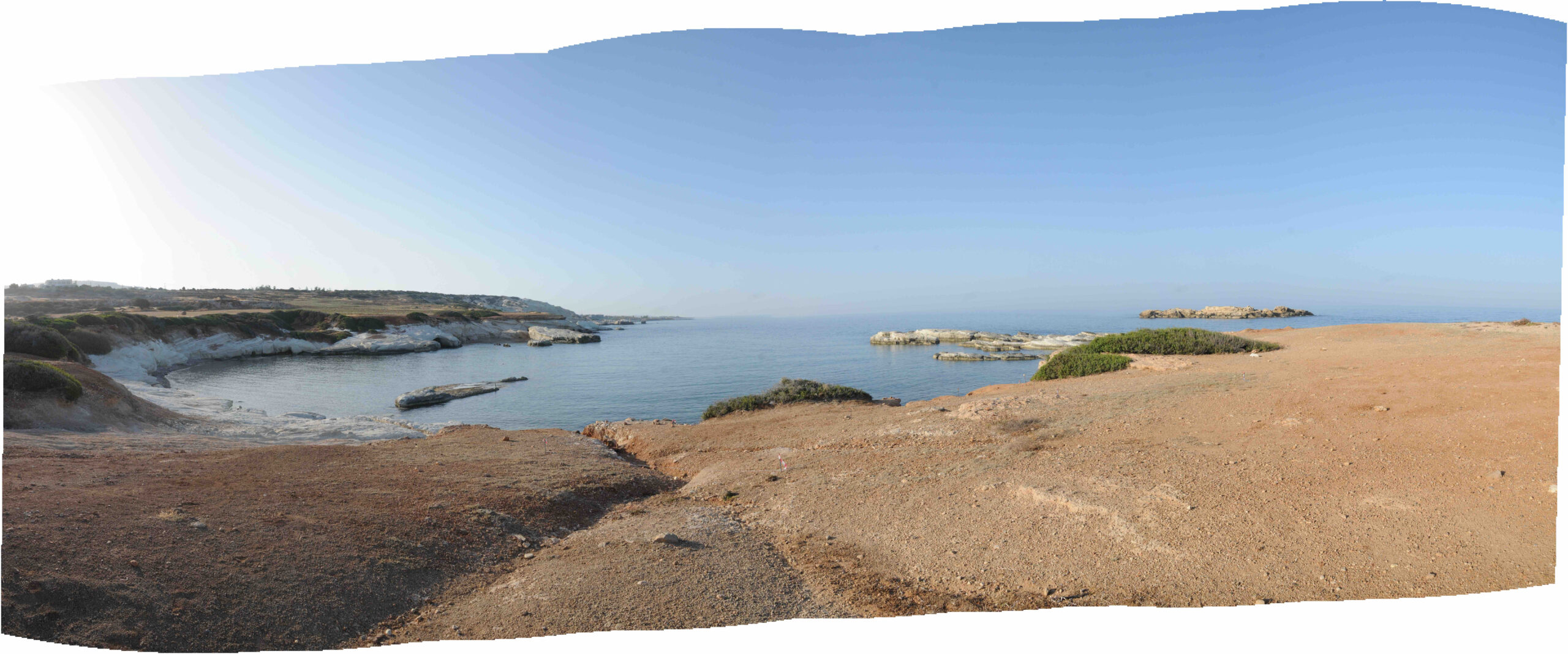
Excavations in Agios Georgios Pegaia have uncovered significant findings from the Late Roman period. Over 700 kilograms of amphora shards, with 68 inscriptions, testify to the bustling commercial activity of the ancient Maniki port. Simultaneously, carved tombs revealed glass and ceramic vessels, organic remains, and metal artifacts, shedding light on the funerary and symposium customs of the time. The excavation, conducted by New York University (NYU) under the direction of Professor Joan Breton Connelly, focused on the port of Maniki and the ancient cemetery of Pegaia-Meletis. The research program involved an international team of scientists and students from NYU, the University of Cyprus, and the Cyprus Institute. Professor Stella Demesticha (University of Cyprus) led the identification and recording of the amphorae, which are mainly of the Late Roman 1 type, locally (Pafian) and Cilician made, as well as imports from Palestine and Gaza. The inscriptions on the shards offer significant potential for future research. The findings suggest that Maniki was a center for the distribution of marble blocks from Proconnesus, as well as column drums and capitals for the basilicas of Akrotiri Drepanon, built in the 6th century AD. Furthermore, the study of the funerary objects, led by Professor Jolanta Mlynarczyk (University of Warsaw) and Rebecca Gerdts (Cornell University), is expected to reveal more about the dietary habits and rituals of the period.
You Might Also Like
Μεγάλοι πύργοι της ακρόπολης αποκαλύφθηκαν στην Παλαίπαφο (εικόνες)
Dec 23
Διαδραστικό ταξίδι στα άδυτα του Προεδρικού
Jan 4

Σημαντικά ευρήματα από το αρχαίο λιμάνι της Πέγειας
Jan 7

Σημαντικά ευρήματα από το αρχαίο λιμάνι της Πέγειας
Jan 7
Σημαντικά ευρήματα από το αρχαίο λιμάνι της Πέγειας
Jan 7