Από την 1η Ιανουαρίου 2025, οι χώρες της Ευρωπαϊκής Ένωσης (ΕΕ) υποχρεούνται να συλλέγουν χωριστά τα υφαντουργικά προϊόντα για επαναχρησιμοποίηση και ανακύκλωση, σύμφωνα με την οδηγία-πλαίσιο της ΕΕ για τα απόβλητα.
Κάθε χρόνο, η ΕΕ παράγει σχεδόν 12,6 εκατομμύρια τόνους υφαντουργικών αποβλήτων. Μόνο τα ρούχα και τα υποδήματα αντιπροσωπεύουν 5,2 εκατομμύρια τόνους, με την κατανάλωση υφασμάτων στην ΕΕ να αυξάνεται.
Το 2019, ο μέσος όρος ανά άτομο ήταν 17 κιλά, αυξανόμενος σε 19 κιλά το 2022 - αρκετά για να γεμίσει μια μεγάλη βαλίτσα με ρούχα. Ταυτόχρονα, 12 κιλά ρούχων ανά άτομο απορρίπτονται ετησίως. Το πρόβλημα δεν είναι μόνο ευρωπαϊκό, αλλά παγκόσμιο - σύμφωνα με την Ευρωπαϊκή Επιτροπή, λιγότερο από το 1% όλων των κλωστοϋφαντουργικών προϊόντων παγκοσμίως ανακυκλώνεται σε νέα προϊόντα.
Τον Ιούλιο του 2023, η Ευρωπαϊκή Επιτροπή πρότεινε αναθεώρηση των κανόνων της ΕΕ για τα απόβλητα, συμπεριλαμβανομένων των κλωστοϋφαντουργικών αποβλήτων, και τον Σεπτέμβριο του 2025, το Ευρωπαϊκό Κοινοβούλιο ενέκρινε νέα μέτρα για την πρόληψη και τη μείωση των κλωστοϋφαντουργικών αποβλήτων σε ολόκληρη την ΕΕ.
Τι θα ακολουθήσει
Σύμφωνα με τους νέους κανόνες της ΕΕ, οι παραγωγοί που προσφέρουν κλωστοϋφαντουργικά προϊόντα στην ΕΕ θα υποχρεούνται να καλύπτουν το κόστος συλλογής, διαλογής και ανακύκλωσης μέσω νέων συστημάτων διευρυμένης ευθύνης του παραγωγού (EPR), τα οποία κάθε κράτος μέλος πρέπει να θεσπίσει εντός 30 μηνών από την έναρξη ισχύος της οδηγίας.
Οι κανόνες αυτοί ισχύουν για όλους τους παραγωγούς, συμπεριλαμβανομένων εκείνων που χρησιμοποιούν το ηλεκτρονικό εμπόριο, είτε εδρεύουν εντός είτε εκτός της ΕΕ.
Οι πολύ μικρές επιχειρήσεις θα έχουν ένα επιπλέον έτος για να συμμορφωθούν με τις νέες απαιτήσεις EPR. Οι νέοι κανόνες καλύπτουν προϊόντα όπως ρούχα και αξεσουάρ, καπέλα και παπούτσια, κουβέρτες, κλινοσκεπάσματα, τραπεζομάντιλα και κουρτίνες.
Με πρωτοβουλία του Ευρωπαϊκού Κοινοβουλίου, τα κράτη μέλη της ΕΕ μπορούν επίσης να δημιουργήσουν συστήματα EPR για τους παραγωγούς στρωμάτων.
Τα κράτη μέλη αναμένεται επίσης να λάβουν υπόψη τις πρακτικές της υπερταχείας μόδας και της ταχείας μόδας κατά τον καθορισμό των οικονομικών συνεισφορών στα συστήματα EPR, σύμφωνα με την απόφαση του Ευρωπαϊκού Κοινοβουλίου.
Τι γίνεται στη Βουλγαρία
Σύμφωνα με τη Βουλγαρική Ένωση για τα Κυκλικά Κλωστοϋφαντουργικά Προϊόντα, το 2024, πάνω από 8.000 τόνοι κλωστοϋφαντουργικών αποβλήτων συλλέχθηκαν χωριστά στη Βουλγαρία, συμπεριλαμβανομένων των βιομηχανικών κλωστοϋφαντουργικών αποβλήτων.
Συγκριτικά, το 2023, συλλέχθηκαν περίπου 6.500 τόνοι, δείχνοντας μια πραγματική αύξηση των συλλεγόμενων όγκων και την αυξανόμενη συμμετοχή του κοινού, δήλωσε η Σίρμα Ζέλεβα, εκτελεστική διευθύντρια της ένωσης, σε συνέντευξή της στο Βουλγαρικό Πρακτορείο Ειδήσεων.
Από τα υφάσματα που συλλέγονται μέσω ξεχωριστών κάδων συλλογής, τουλάχιστον το 70% προετοιμάζεται συνήθως για επαναχρησιμοποίηση ή ανακύκλωση, με την επαναχρησιμοποίηση να παραμένει η προτεραιότητα λόγω της υψηλότερης περιβαλλοντικής αξίας της. Τα προκαταρκτικά στοιχεία για το 2025 δείχνουν ότι μέχρι τα τέλη Σεπτεμβρίου είχαν ήδη συλλεχθεί πάνω από 6.000 τόνοι υφασμάτων, γεγονός που δείχνει ότι οι πολίτες συνεχίζουν να χρησιμοποιούν ενεργά τα υπάρχοντα συστήματα, σημείωσε η κ. Ζέλεβα.
Ωστόσο, επεσήμανε ότι επί του παρόντος δεν υπάρχει νομοθετικό πλαίσιο που να ορίζει σαφώς τις ευθύνες, τη χρηματοδότηση και τη βιώσιμη λειτουργία των συστημάτων συλλογής κλωστοϋφαντουργικών προϊόντων. Προς το παρόν, τα συστήματα βασίζονται σε εθελοντικές συνεργασίες μεταξύ εταιρειών που ασχολούνται με τη συλλογή και την ανακύκλωση κλωστοϋφαντουργικών προϊόντων και μεμονωμένων δήμων, χωρίς εθνική κάλυψη και χωρίς εγγυημένο μηχανισμό μακροπρόθεσμης χρηματοδότησης, προσέθεσε.
Τι επιφυλάσσει το μέλλον
Στη Βουλγαρία, η νομική υποχρέωση για την ξεχωριστή συλλογή υφασμάτων περιλαμβάνεται σε νομοσχέδιο που τροποποιεί και συμπληρώνει τον νόμο περί διαχείρισης αποβλήτων, το οποίο εκπόνησε το βουλγαρικό Υπουργείο Περιβάλλοντος και Υδάτων και υπέβαλε στη Βουλή.
Η ξεχωριστή συλλογή υφασμάτων δεν έχει ακόμη εφαρμοστεί πλήρως ως υποχρεωτικό εθνικό σύστημα, αλλά ήδη εφαρμόζεται σε πολλούς δήμους μέσω εθελοντικών προγραμμάτων και πιλοτικών έργων, σύμφωνα με το Υπουργείο.
Οι λεπτομερείς αρμοδιότητες θα καθοριστούν με την έκδοση μιας οδηγίας για τα απορρίμματα υποδημάτων και κλωστοϋφαντουργικών προϊόντων, σύμφωνα με τις προθεσμίες που έχει ορίσει η Ευρωπαϊκή Επιτροπή για τη μεταφορά της οδηγίας (ΕΕ) 2025/1898 του Ευρωπαϊκού Κοινοβουλίου και του Συμβουλίου, της 10ης Σεπτεμβρίου 2025, που τροποποιεί την οδηγία 2008/98/ΕΚ για τα απόβλητα. Σύμφωνα με την οδηγία, τα κράτη μέλη πρέπει να την μεταφέρουν στο εθνικό δίκαιο το αργότερο έως τις 17 Ιουνίου 2027, ανέφερε το Yπουργείο.
Οι νέοι κανόνες προβλέπουν την προσαρμογή των τελών των παραγωγών με βάση την ανθεκτικότητα και τα περιβαλλοντικά χαρακτηριστικά των κλωστοϋφαντουργικών προϊόντων που παράγουν. Το Υπουργείο Περιβάλλοντος της Βουλγαρίας εξήγησε ότι η οικολογική διαμόρφωση είναι ένας μηχανισμός στο πλαίσιο της διευρυμένης ευθύνης του παραγωγού (EPR), όπου το τέλος που καταβάλλουν οι παραγωγοί και οι εισαγωγείς κλωστοϋφαντουργικών προϊόντων καθορίζεται από τα περιβαλλοντικά χαρακτηριστικά του προϊόντος. Στόχος είναι να ενθαρρυνθεί η παραγωγή και η διάθεση στην αγορά πιο βιώσιμων κλωστοϋφαντουργικών προϊόντων και να μειωθεί ο συνολικός όγκος των κλωστοϋφαντουργικών αποβλήτων.
Με την οικολογική διαμόρφωση, το τέλος του προϊόντος μειώνεται ή αυξάνεται ανάλογα με το αν το προϊόν είναι ευκολότερο να ανακυκλωθεί, περιέχει ανακυκλώσιμα ή ανακυκλωμένα υλικά, είναι ανθεκτικό και επιδιορθώσιμο, κατασκευάζεται με φιλικές προς το περιβάλλον διαδικασίες, περιέχει επικίνδυνες χημικές ουσίες ή είναι κατασκευασμένο από μικτές ίνες που περιπλέκουν την ανακύκλωση.
Ο κανονισμός για τον οικολογικό σχεδιασμό βιώσιμων προϊόντων (ESPR)
Το 2024, το Ευρωπαϊκό Κοινοβούλιο ενέκρινε έναν νέο κανονισμό για τον οικολογικό σχεδιασμό (ESPR), ο οποίος αφορά στον σχεδιασμό προϊόντων με τρόπο που ελαχιστοποιεί τις αρνητικές επιπτώσεις τους στο περιβάλλον καθ' όλη τη διάρκεια του κύκλου ζωής τους.
Ο κανονισμός καλύπτει διάφορους τομείς, συμπεριλαμβανομένης της βιομηχανίας της μόδας, και εισάγει απαιτήσεις και ελάχιστα πρότυπα για την ανθεκτικότητα των προϊόντων, την επιδιορθωσιμότητα, την ενεργειακή απόδοση και την ανακυκλωσιμότητα.
Απαιτεί επίσης από τις μεγάλες εταιρείες να αναφέρουν τον αριθμό των απούλητων ειδών που καταστρέφουν κάθε χρόνο και τους λόγους για τους οποίους το κάνουν. Από το 2026, η καταστροφή απούλητων ενδυμάτων, υποδημάτων και αξεσουάρ θα απαγορευτεί σε ολόκληρη την ΕΕ.
Η βελτίωση της ανθεκτικότητας των προϊόντων μόδας αποτελεί μέρος της ευρύτερης προσπάθειας της ΕΕ να επιτύχει μια κυκλική οικονομία έως το 2050.
Πηγή: ΚΥΠΕ
Challenges and Opportunities in Textile Waste Management in the EU
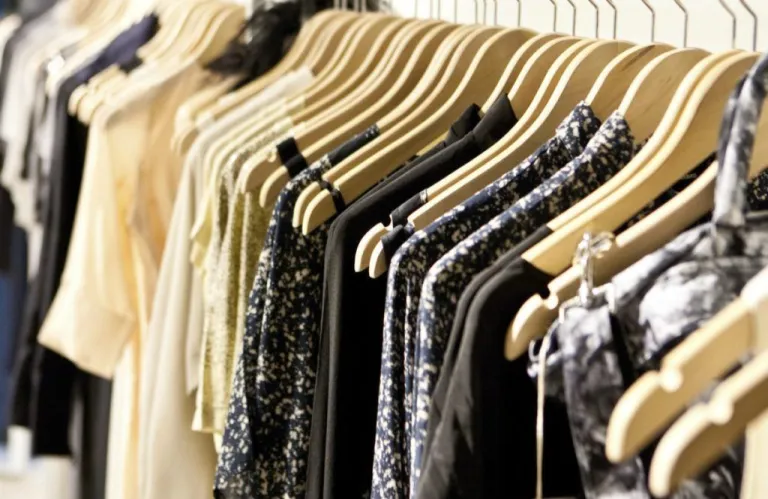
The European Union (EU) is preparing to address a significant challenge: the management of the vast amounts of textile waste generated each year. From January 1, 2025, member states will be required to collect textile products separately for reuse and recycling, in accordance with the EU waste framework directive. Textile consumption in the EU is increasing, averaging 19 kg per person in 2022, with 12 kg being discarded annually. Globally, textile recycling rates are extremely low, with less than 1% being converted into new products. The European Commission has proposed a revision of the EU rules on waste, including textiles, and the European Parliament has already approved new measures to prevent and reduce this waste. The new rules introduce the extended producer responsibility (EPR) system, where companies placing textile products on the market will be responsible for covering the costs of collection, sorting, and recycling. The EPR system will apply to all producers, regardless of their location (within or outside the EU) or sales method (including e-commerce). Very small businesses will have additional time to comply. The rules cover a wide range of products, including clothing, accessories, footwear, bedding, and curtains. Furthermore, member states can extend the EPR to mattress producers. In Bulgaria, the collection of textile waste is increasing, with over 8,000 tons collected separately in 2024, compared to 6,500 tons in 2023. At least 70% of the collected textiles are prepared for reuse or recycling, with reuse being prioritized due to its higher environmental benefits. The EU's new policies are expected to further encourage the circular economy in the textile sector.
You Might Also Like

Ουκρανικό μέχρι… Τεχνητή Νοημοσύνη. Οι μεγάλες προκλήσεις για την ΕΕ το 2026
Dec 30

ΕΕ: Από το Ουκρανικό μέχρι το AI - Οι μεγάλες προκλήσεις του 2026
Dec 30
Οι μεγάλες προκλήσεις για την ΕΕ το 2026
Dec 30
Από το Ουκρανικό μέχρι την Τεχνητή Νοημοσύνη οι μεγάλες προκλήσεις για την ΕΕ το 2026
Dec 30