Ύστερα από 25 χρόνια σκληρών και πολύπλοκων διαπραγματεύσεων, τα κράτη-μέλη της Ευρωπαϊκή Ένωση άναψαν την Παρασκευή το «πράσινο φως» για τη συμφωνία ελεύθερου εμπορίου με τις χώρες της Mercosur, ανοίγοντας τον δρόμο για τη δημιουργία μιας εκτεταμένης ζώνης ελεύθερου εμπορίου που θα καλύπτει πάνω από 700 εκατομμύρια ανθρώπους σε Ευρώπη και Λατινική Αμερική.
Η συμφωνία, η οποία σύμφωνα με όσα έχουν διαρρεύσει, θα υπογραφεί στην Παραγουάη στις 17 Ιανουαρίου, προβλέπει την κατάργηση άνω του 90% των δασμών στις ευρωπαϊκές εξαγωγές. Παράλληλα, οι Ευρωπαίοι καταναλωτές θα μπορούν να αγοράζουν βοδινό κρέας από τις πεδιάδες της Αργεντινής, ενώ στη Βραζιλία οι εισαγωγικοί δασμοί στα γερμανικά αυτοκίνητα θα μειωθούν αισθητά. Παρά τον πολιτικό θόρυβο (και τις μεγάλες αντιδράσεις) που τη συνόδευσε, η καθαρά οικονομική της επίδραση είναι σχετικά περιορισμένη: η Κομισιόν εκτιμά ότι έως το 2040 θα προσθέσει περίπου 77,6 δισ. ευρώ στην οικονομία της ΕΕ, δηλαδή μόλις το 0,05% του ΑΕΠ.
Όπως σε κάθε μεγάλη συμφωνία, έτσι και σε αυτή υπάρχουν -σύμφωνα με την ανάλυση του Politico- κερδισμένοι και χαμένοι.
Οι κερδισμένοι
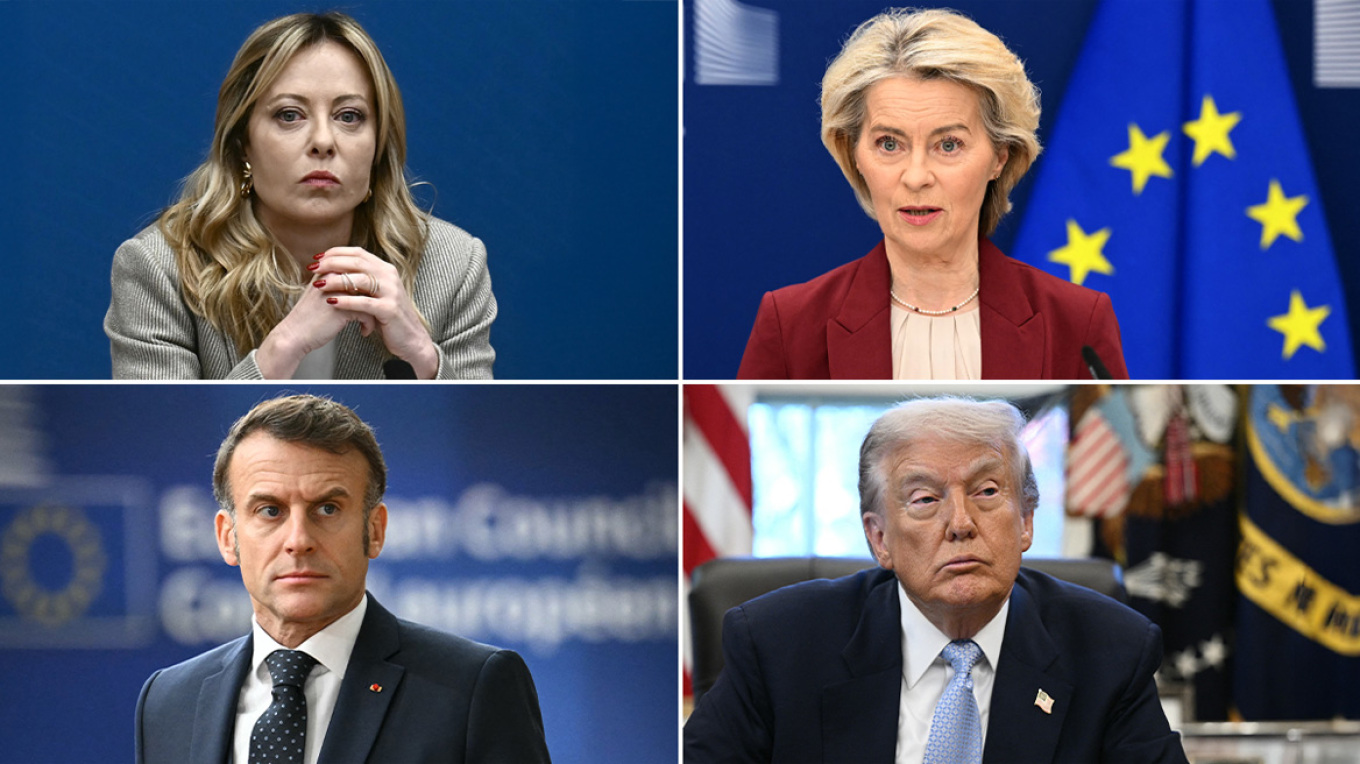
Τζόρτζια Μελόνι
Η πρωθυπουργός της Ιταλίας, Τζόρτζια Μελόνι, κατάφερε για ακόμη μία φορά να «διαβάσει» σωστά τους πολιτικούς συσχετισμούς. Απειλώντας ότι θα στηρίξει τη γαλλική αντίθεση στη συμφωνία, εξασφάλισε την τελευταία στιγμή παραχωρήσεις για τους Ιταλούς αγρότες. Σε αντάλλαγμα για τη στήριξη της Ρώμης στη συμφωνία, η Ιταλία απέσπασε ρήτρες προστασίας της αγροτικής αγοράς και δεσμεύσεις για νέα χρηματοδότηση της γεωργίας από την Ευρωπαϊκή Επιτροπή, τις οποίες η κυβέρνηση μπορεί να προβάλει στο εσωτερικό.
Η γερμανική αυτοκινητοβιομηχανία
Ο κλάδος του αυτοκινήτου στη Γερμανία αποκτά ευκολότερη πρόσβαση στις αγορές της Λατινικής Αμερικής. Οι υψηλοί δασμοί, που σήμερα φτάνουν το 35%, θα μειωθούν σταδιακά, ενισχύοντας τις πωλήσεις και τα έσοδα κολοσσών, όπως η Volkswagen και η BMW. Ωστόσο, η κατάργηση των εμπορικών φραγμών δεν θα γίνει από τη μια μέρα στην άλλη, κατόπιν αιτήματος της Βραζιλίας, η οποία διαθέτει δική της αυτοκινητοβιομηχανία, ενώ τα ηλεκτρικά οχήματα θα τύχουν προνομιακής μεταχείρισης, σε έναν τομέα, που η Ευρώπη υστερεί.
Η μεγαλύτερη εμπορική συμφωνία της Ευρώπης: Ποιοι κερδίζουν και ποιοι χάνουν από το deal της ΕΕ με τη Mercosur, τι σημαίνει για τους Ευρωπαίους αγρότες
Ούρσουλα φον ντερ Λάιεν
Για την πρόεδρο της Ευρωπαϊκής Επιτροπής, Ούρσουλα φον ντερ Λάιεν, η συμφωνία αποτελεί μια δύσκολη αλλά σημαντική νίκη, καθώς ενισχύει σε διεθνές επίπεδο τη θέση των Βρυξελλών, σε μια εποχή που η Ένωση μοιάζει… με έναν βαρύ δεινόσαυρο, που συνεχώς μένει πίσω από τις ΗΠΑ και την Κίνα. Αφού πέρασε πάνω από έναν χρόνο προσπαθώντας να κατευνάσει τους σκεπτικιστές και να διαμορφώσει την αναγκαία ειδική πλειοψηφία, αναμένεται να υπογράψει τη συμφωνία την επόμενη εβδομάδα στην Παραγουάη. Ωστόσο, το τίμημα ήταν βαρύ: δεσμεύσεις για 45 δισ. ευρώ σε αγροτικές επιδοτήσεις, που ανατρέπουν προηγούμενα σχέδια περιορισμού της στήριξης στον αγροτικό τομέα.
Οι Ευρωπαίοι αγρότες
Παρά τις έντονες αντιδράσεις, κυρίως για τις χαμηλές τιμές διάθεσης των νοτιοαμερικανικών προϊόντων, οι οποίες θα μπορούσαν να οδηγήσουν τους σκληρά εργαζόμενους Ευρωπαίους αγρότες να εγκαταλείψουν τη γη τους, η πραγματικότητα δείχνει λίγο διαφορετική. Και αυτό επειδή η συμφωνία περιλαμβάνει αυστηρές ποσοστώσεις για προϊόντα όπως το βοδινό κρέας και τα πουλερικά, οι αγρότες της Λατινικής Αμερικής θα περιοριστούν στην εξαγωγή μερικών κομματιών κοτόπουλου ανά Ευρωπαίο ανά έτος, ενώ προβλέπονται και ειδικές προστασίες για ευρωπαϊκά προϊόντα ονομασίας προέλευσης, όπως η ιταλική παρμεζάνα ή το γαλλικό κρασί. Σε συνδυασμό με τις γενναίες επιδοτήσεις (45 δισ. ευρώ υποσχέθηκε η Φον ντερ Λάιεν), η εικόνα για τον αγροτικό κόσμο αποδεικνύεται τελικά λιγότερο δυσοίωνη.
Η μεγαλύτερη εμπορική συμφωνία της Ευρώπης: Ποιοι κερδίζουν και ποιοι χάνουν από το deal της ΕΕ με τη Mercosur, τι σημαίνει για τους Ευρωπαίους αγρότες
Οι χαμένοι
Εμανουέλ Μακρόν
Ο Γάλλος πρόεδρος, Εμανουέλ Μακρόν, υπήρξε ο πιο σταθερός πολέμιος της συμφωνίας, υπό την πίεση της γαλλικής αγροτικής βάσης. Η αποτυχία του να τη μπλοκάρει, παρά την προσπάθεια συσπείρωσης συμμάχων την τελευταία στιγμή (έδειξε να παίρνει με το μέρος του τη Μελόνι), θεωρείται ακόμη μία πολιτική ήττα σε μια περίοδο που η επιρροή του στο ευρωπαϊκό σκηνικό δείχνει να περιορίζεται. Μετά από αυτή την τελευταία ήττα, αναμένεται να ενταθούν οι επικρίσεις εναντίον του Γάλλου προέδρου στα εθνικά μέσα ενημέρωσης.
Ντόναλντ Τραμπ
Για τον Αμερικανό πρόεδρο, Ντόναλντ Τραμπ, λίγες μέρες μετά την επιχείρηση στη Βενεζουέλα και τη σύλληψη του Μαδούρο, η συμφωνία υπογραμμίζει ότι η Ευρώπη διαθέτει ακόμη ισχυρά εργαλεία «ήπιας ισχύος» gia να συνεργαστεί εποικοδομητικά με ομοϊδεάτες εταίρους. Σε αντίθεση με την προσέγγιση των εμπορικών πιέσεων και των μονομερών κινήσεων του Αμερικανού προέδρου, το deal ΕΕ–Mercosur ενισχύει αντιπάλους – συμπεριλαμβανομένου του προέδρου της Βραζιλίας και επικεφαλής της Mercosur, Ινάσιο Λούλα – και συνεργασίες που δεν ευνοούν την αμερικανική στρατηγική.
Η Κίνα
Η Κίνα είχε ενισχύσει σημαντικά την παρουσία της στη Λατινική Αμερική (κυρίως τις εξαγωγές της προς τη Βραζιλία), όσο οι διαπραγματεύσεις με την ΕΕ καθυστερούσαν. Η νέα συμφωνία δίνει στην Ευρώπη την ευκαιρία να ανακτήσει μερίδιο αγοράς σε τομείς όπως η αυτοκινητοβιομηχανία, τα μηχανήματα και η αεροναυπηγική, αλλά και να ενισχύσει τους πολιτικούς δεσμούς της περιοχής με τη Δύση.
Η μεγαλύτερη εμπορική συμφωνία της Ευρώπης: Ποιοι κερδίζουν και ποιοι χάνουν από το deal της ΕΕ με τη Mercosur, τι σημαίνει για τους Ευρωπαίους αγρότες
Η συμφωνία ενισχύει επίσης τη θέση της ΕΕ, όσον αφορά τις άμεσες επενδύσεις, έναν τομέα στον οποίο οι ευρωπαϊκές εταιρείες εξακολουθούν να υπερέχουν των κινεζικών ανταγωνιστών τους.
Από πολιτική άποψη, η Κίνα έχει καταφέρει σε κάποιο βαθμό να απομακρύνει χώρες όπως η Βραζιλία από τις δυτικές θέσεις, για παράδειγμα μέσω της ομάδας BRICS, που αποτελείται από τη Βραζιλία, τη Ρωσία, την Ινδία, την Κίνα και τη Νότια Αφρική, καθώς και άλλες αναπτυσσόμενες οικονομίες. Επειδή η συμφωνία δεν αφορά μόνο το εμπόριο, αλλά δημιουργεί και βαθύτερη πολιτική συνεργασία, ο Λούλα και οι ομόλογοί του από τη Mercosur, θα αποκτήσουν, πλέον, στενότερη σχέση με την Ευρώπη.
Ο Αμαζόνιος
Η πιο σκοτεινή πλευρά της συμφωνίας αφορά το περιβάλλον. Η αύξηση της παραγωγής βοδινού κρέατος απειλεί να επιταχύνει την αποψίλωση του τροπικού δάσους του Αμαζονίου. Με απλά λόγια, περισσότερο βόειο κρέας για την Ευρώπη σημαίνει λιγότερα δέντρα για τον κόσμο. Αν και το κείμενο περιλαμβάνει ρήτρες κατά της παράνομης αποδάσωσης και δεσμεύσεις στη Συμφωνία του Παρισιού για το Κλίμα, οι ανησυχίες για τις περιβαλλοντικές επιπτώσεις παραμένουν έντονες.
EU-Mercosur Deal: Winners and Losers from Europe's Biggest Trade Agreement
The European Union and Mercosur (Argentina, Brazil, Paraguay, Uruguay) have reached a free trade agreement after 25 years of negotiations. The agreement, expected to be signed on January 17th in Paraguay, will eliminate over 90% of tariffs on European exports and provide access to new markets for products such as beef and cars. However, the economic impact of the agreement is estimated to be relatively small, adding approximately 77.6 billion euros to the EU economy by 2040, or just 0.05% of GDP. The winners from the agreement include Italian Prime Minister Giorgia Meloni, who secured concessions for Italian farmers, the German automotive industry, which will gain easier access to Latin American markets, and European Commission President Ursula von der Leyen, who considers the agreement a significant victory for the EU. However, the agreement came with commitments of 45 billion euros in agricultural subsidies. The agreement has sparked reactions, mainly from farmers concerned about competition from Mercosur countries. Italy, for example, secured protective clauses for its agricultural market. The agreement is expected to strengthen trade relations between Europe and Latin America, but also create new challenges for certain sectors of the economy. Overall, the EU-Mercosur agreement is a significant step towards strengthening international trade, but its true impact will become apparent over time. The negotiation was long and complex, and the final agreement is the result of compromises by all parties.
Similar Articles
You Might Also Like
ΕΕ: «Πάγωσε» την υπογραφή για Mercosur μέχρι Ιανουάριο-Τι προβλέπει η συμφωνία
Dec 22
Τι προβλέπει η αμφιλεγόμενη συμφωνία Mercosur που παρέλυσε την Ευρώπη
Dec 22

Σε σταυροδρόμι η ΕΕ για τη συμφωνία ελεύθερων συναλλαγών με την Mercosur
Jan 9

Εγκρίθηκε η συμφωνία ΕΕ – Mercosur παρά τις αντιδράσεις: Τι φέρνει για αγρότες, οικονομία και Ελλάδα
Jan 9

Η μεγαλύτερη εμπορική συμφωνία της Ευρώπης: Ποιοι κερδίζουν και ποιοι χάνουν από το deal με τη Mercosur
Jan 9