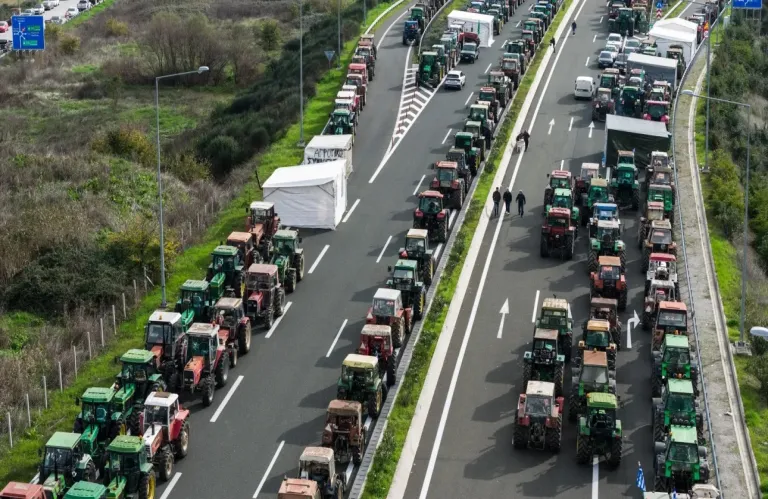
Η συμφωνία ΕΕ – Mercosur ήταν μία έννοια άγνωστη μέχρι πρότινος στο ευρύ κοινό: «Συστήθηκε» σε αυτό, κυρίως, μέσα από τις μαζικές αντιδράσεις Ευρωπαίων αγροτών που «όργωσαν» τους δρόμους πρωτευουσών της Γηραιάς Ηπείρου με τα τρακτέρ τους, όπως το Παρίσι και οι Βρυξέλλες. Περί τίνος πρόκειται όμως; Η περιβόητη -πλέον- συμφωνία, είναι μια εμπορική συμφωνία ελεύθερου εμπορίου μεταξύ της Ευρωπαϊκής Ένωσης και των χωρών της λεγόμενης Mercosur, δηλαδή της Βραζιλίας, της Αργεντινής, της Ουρουγουάης και της Παραγουάης. Τι σημαίνει όμως η υιοθέτησή της;
Μετά από διαπραγματεύσεις που κράτησαν 26 χρόνια δόθηκε το «πράσινο φως» από την ΕΕ με την επίτευξη «ειδικής πλειοψηφίας» -η οποία απαιτείτο για την έγκριση της συμφωνίας Mercosur- δηλαδή τουλάχιστον 15 χώρες που αντιπροσωπεύουν το 65% του ευρωπαϊκού πληθυσμού.
Τι αλλάζει για αγρότες και βιομηχανία
Αρκετά κράτη – μέλη αντιστέκονταν στη συμφωνία εδώ και χρόνια, όπως και οι αγρότες, με τους επικριτές της να εκφράζουν φόβους ότι θα διαταράξει την ευρωπαϊκή γεωργία με την είσοδο στην ΕΕ φθηνών προϊόντων που δεν συμμορφώνονται απαραίτητα με τα περιβαλλοντικά πρότυπα της ΕΕ, λόγω ανεπαρκών ελέγχων.Τι αλλάζει όμως για την Ευρώπη μετά τη συμφωνία;
Η συμφωνία ΕΕ-Mercosur είναι μια εκτεταμένη εμπορική συμφωνία μεταξύ Ευρωπαϊκής Ένωσης και της εμπορικής ένωσης της Νότιας Αμερικής (Αργεντινή, Βραζιλία, Παραγουάη, Ουρουγουάη) για άρση δασμών και άνοιγμα αγορών, με έμφαση στην προστασία γεωγραφικών ενδείξεων, βιώσιμη ανάπτυξη, περιβάλλον και εργασία.
Συγκεκριμένα, η Mercosur υπόσχεται να καταργήσει σε διάστημα 15 ετών τους δασμούς στο 91% των εξαγωγών της ΕΕ προς τις χώρες αυτές της Νότιας Αμερικής. Συμπεριλαμβάνονται και οι δασμοί σε αυτοκίνητα που ενδιαφέρουν όλες τις μεγάλες ευρωπαϊκές αυτοκινητοβιομηχανίες, οι οποίες σήμερα αντιμετωπίζουν μεγάλες προκλήσεις λόγω πολιτικών ΗΠΑ και Κίνας.
Η ΕΕ είχε υποσχεθεί από την πλευρά της να καταργήσει σταδιακά τους δασμούς στο 92% των εξαγωγών της Mercosur σε διάστημα έως και 10 ετών.
Η συμφωνία Mercosur θα καταργούσε επίσης τους δασμούς στα γεωργικά προϊόντα της ΕΕ –δασμούς ύψους 17% στα κρασιά και 20% με 35% σε οινοπνευματώδη ποτά.
Για γεωργικά προϊόντα που παράγονται και στην ΕΕ, η Κομισιόν επεδίωκε να προσφέρει αυξημένες ποσοστώσεις πριν να επιβάλλονται δασμοί σε αντίστοιχες εισαγωγές.
Με τη συμφωνία θα εισάγονταν με ευνοϊκό καθεστώς στην Ευρώπη, επιπλέον 99.000 μετρικοί τόνοι βοδινού κρέατος. Το επιπλέον βοδινό κρέας αντιπροσωπεύει το 1,6% της κατανάλωσης βοδινού κρέατος στην ΕΕ.
Οι χώρες Mercosur θα προσέφεραν στην ΕΕ αδασμολόγητη ποσόστωση για 30.000 τόνους σε τυριά. Θα επιβάλλονταν ακόμη ποσοστώσεις της ΕΕ για πουλερικά, χοιρινό κρέας, ζάχαρη, αιθανόλη, ρύζι, μέλι, καλαμπόκι και γλυκό καλαμπόκι.
Τι σημαίνει πρακτικά αυτή η κατάργηση των δασμών;
Από τη μια πλευρά αναμένεται να ενισχυθούν οι ευρωπαϊκές εξαγωγές αυτοκινήτων, μηχανημάτων, κρασιού και τυριού.
Από την άλλη, θα διευκολυνθεί η εισαγωγή στην Ευρώπη βοείου κρέατος, πουλερικών, ρυζιού, ζάχαρης, μελιού και σόγιας από τη Νότια Αμερική, μέσω ποσοστώσεων αδασμολόγητων προϊόντων.
Επί της ουσίας, διαμορφώνεται μια –από τις μεγαλύτερες- ζώνη ελεύθερων συναλλαγών με περισσότερους από 700 εκατομμύρια καταναλωτές.
Τι λένε υποστηρικτές και τι οι επικριτές της συμφωνίας ΕΕ- Mercosur
Στοιχείο «κλειδί» πάντως σε αυτή τη συμφωνία συνιστά και η ενεργειακή και τεχνολογική μετάβαση της Ευρώπης, η οποία φαίνεται πως βρίσκεται πίσω από τις προσπάθειες της ΕΕ να ενισχύσει τους δεσμούς της με μια περιοχή του πλανήτη «πλούσια» σε ορυκτά, όπως λίθιο, χαλκό, σίδηρο και κοβάλτιο.
Σε αυτό το πλαίσιο, οι υποστηρικτές της συμφωνίας, όπως η Γερμανία και η Ισπανία, λένε ότι η συμφωνία θα μπορούσε να τονώσει μια ευρωπαϊκή οικονομία που δοκιμάζεται από τον ολοένα και αυξανόμενο κινεζικό ανταγωνισμό και τους αμερικανικούς δασμούς.
Οι επικριτές της συμφωνίας εκφράζουν φόβους ότι θα διαταράξει την ευρωπαϊκή γεωργία με την είσοδο στην ΕΕ φθηνότερων προϊόντων που δεν συμμορφώνονται απαραίτητα με τα περιβαλλοντικά πρότυπα της ΕΕ, λόγω ανεπαρκών ελέγχων.
Μάλιστα, οι αγρότες εκφράζουν φόβους ότι τα φθηνότερα αγροτικά προϊόντα από τις χώρες της Mercosur, θα δημιουργήσουν αθέμιτο ανταγωνισμό: Ιδιαίτερα οι κτηνοτρόφοι ανησυχούν ότι οι αυξημένες εισαγωγές κρέατος θα πιέσουν τις τιμές προς τα κάτω, απειλώντας το εισόδημά τους.
Παράλληλα, υπάρχουν ανησυχίες για την ασφάλεια τροφίμων, αν και όλα τα προϊόντα που θα εισάγονται στην Γηραιά Ήπειρο θα πρέπει να πληρούν τις Ευρωπαϊκές προδιαγραφές.
Αξίζει να σημειωθεί πως, η ΕΕ είναι ο 2ος μεγαλύτερος εταίρος της Mercosur στο εμπόριο αγαθών, αντιπροσωπεύοντας σχεδόν το 17% των συνολικών εμπορικών συναλλαγών της Mercosur το 2024. Η Mercosur είναι ο 10ος μεγαλύτερος εταίρος της ΕΕ στο εμπόριο αγαθών.
Το 2024, η αξία των εμπορικών συναλλαγών της ΕΕ με τη Mercosur υπερέβη τα 111 δισ. ευρώ: 55,2 δισ. ευρώ σε εξαγωγές και 56 δισ. ευρώ σε εισαγωγές. Πάνω από το 80 % των εμπορικών ροών πραγματοποιήθηκε μεταξύ ΕΕ και Βραζιλίας.
Μεταξύ 2014 και 2024, το εμπόριο αγαθών ΕΕ – Mercosur αυξήθηκε κατά περισσότερο από 36%: οι εισαγωγές αυξήθηκαν κατά περισσότερο από 50%, ενώ οι εξαγωγές κατά 25%.
Σε μια προσπάθεια να περιορίσει τις όποιες αντιρρήσεις, η Φον ντερ Λάιεν πρότεινε την αύξηση των πόρων που είναι διαθέσιμοι για τους αγρότες στο πλαίσιο του προϋπολογισμού της ΕΕ για το 2028 – 2034 ώστε να διατεθούν επιπλέον 45 δισ. ευρώ για την Κοινή Γεωργική Πολιτική, αρχής γενομένης από το 2028.
EU-Mercosur Deal: What It Is and What Changes for Europe's Future
The free trade agreement between the EU and Mercosur, reached after 26 years of negotiations, has sparked strong reactions, mainly from farmers, who protested with mobilizations in cities such as Paris and Brussels. The agreement concerns the elimination of tariffs and the opening of markets between the EU and the Mercosur countries (Argentina, Brazil, Paraguay, Uruguay). Mercosur commits to eliminating tariffs on 91% of EU exports, including cars, while the EU will gradually eliminate tariffs on 92% of Mercosur exports. The agreement also includes quotas for agricultural products, such as beef (99,000 tons), poultry, rice, sugar, honey, and soybeans. For certain products, such as wine and spirits, tariffs of 17% and 20-35% are provided, respectively. The agreement is expected to strengthen European exports in certain sectors, such as cars, machinery, wine, and cheese. However, critics are concerned about the unfair competition that will arise for European farmers, as Mercosur does not necessarily adhere to the same environmental standards as the EU. Additionally, there is fear of importing products with residues of prohibited substances. The Mercosur agreement is a significant step in strengthening trade relations between the EU and South America, but it raises questions about the protection of European producers, food safety, and environmental sustainability.
Similar Articles
You Might Also Like
ΕΕ: «Πάγωσε» την υπογραφή για Mercosur μέχρι Ιανουάριο-Τι προβλέπει η συμφωνία
Dec 22
Τι προβλέπει η αμφιλεγόμενη συμφωνία Mercosur που παρέλυσε την Ευρώπη
Dec 22

Σε σταυροδρόμι η ΕΕ για τη συμφωνία ελεύθερων συναλλαγών με την Mercosur
Jan 9
Deal της ΕΕ με τη Mercosur: Ποιοι κερδίζουν και ποιοι χάνουν από τη μεγαλύτερη εμπορική συμφωνία της Ευρώπης
Jan 9

Τι είναι η συμφωνία Mercosur και τι αλλάζει στο μέλλον της Ευρώπης
Jan 10