Το γεγονός ότι πλέον δεν υπάρχει κατηγορία γαλακτοκομικού χωρίς plant based υποκατάστατο επιβεβαιώνει ότι τα φυτικά προϊόντα δεν αποτελούν παροδική μόδα. Ωστόσο, στην ελληνική αγορά η περίοδος της ανεμπόδιστης ανάπτυξης φαίνεται να έχει ολοκληρωθεί, με την κατηγορία να εισέρχεται σε φάση αναπροσαρμογής υπό την πίεση της τιμής και του διαθέσιμου εισοδήματος.
Μετά την εκρηκτική άνοδο της περιόδου 2017–2021, όταν τα φυτικά γαλακτοκομικά κατέγραφαν ετήσιους ρυθμούς ανάπτυξης άνω του 30%, η εικόνα έχει αντιστραφεί. Σύμφωνα με στοιχεία της Circana για το 11μηνο έως τις 23 Νοεμβρίου 2025, η συνολική αξία της αγοράς φυτικών προϊόντων διαμορφώθηκε στα 48,023 εκατ. ευρώ, από 54,475 εκατ. ευρώ το 2023, σημειώνοντας πτώση 11,8% σε δύο χρόνια.
Η οριακή άνοδος του 2025 σε σχέση με το αδύναμο 2024 (+1,86% σε αξία) δεν αλλάζει τη συνολική εικόνα. Το plant based πιέζεται, καθώς το διαθέσιμο εισόδημα λειτουργεί πλέον ως βασικός ρυθμιστής της κατανάλωσης, γεγονός που αποτυπώνεται και στη ραγδαία άνοδο των φθηνότερων προϊόντων ιδιωτικής ετικέτας.
Φυτικά ροφήματα: η μεγαλύτερη απώλεια
Η μεγαλύτερη κατηγορία της αγοράς, τα φυτικά ροφήματα, καταγράφει τη μεγαλύτερη υποχώρηση. Με αξία 32,356 εκατ. ευρώ το 11μηνο 2025, σημείωσε πτώση 3,49% σε ετήσια βάση. Σε σύγκριση με το 2023, όταν η αξία ανερχόταν στα 39,584 εκατ. ευρώ, η κατηγορία έχει χάσει συνολικά 18,3% του τζίρου της σε δύο χρόνια.
Η πτώση αποτυπώνεται και σε όγκο, με μείωση 4,25% το 11μηνο 2025. Η τάση δεν είναι μόνο ελληνική. Στις ΗΠΑ, οι πωλήσεις φυτικών ροφημάτων μειώθηκαν κατά 5% το 2024, ενώ στη Βρετανία η άνοδος του γάλακτος βρώμης οφείλεται κυρίως σε μετατόπιση εντός της κατηγορίας και όχι σε νέους καταναλωτές.
Φυτικά τυριά: η αδύναμη κατηγορία
Τα φυτικά τυριά παραμένουν το πιο ευάλωτο τμήμα της αγοράς. Με αξία 4,429 εκατ. ευρώ το 11μηνο 2025, κατέγραψαν πτώση 3,21% σε ετήσια βάση και απώλειες 16,2% σε αξία σε ορίζοντα διετίας. Σε όγκο, η μείωση φτάνει το 7,06%.
Το πρόβλημα εντοπίζεται τόσο στην υψηλή τιμή όσο και στη γεύση και την υφή, που εξακολουθούν να μην πείθουν την πλειονότητα των καταναλωτών. Σε διεθνές επίπεδο, ωστόσο, η ευρωπαϊκή αγορά φυτικών τυριών αναμένεται να τριπλασιαστεί έως το 2035, με τη Γερμανία, την Ιταλία και τις Κάτω Χώρες να ηγούνται της ανάπτυξης.
Οι κατηγορίες που πάνε κόντρα στο ρεύμα
Αντίθετα, τα φυτικά παγωτά αποτελούν τη μεγάλη έκπληξη. Η αξία τους υπερδιπλασιάστηκε το 11μηνο 2025, φτάνοντας τα 715.247 ευρώ, με άνοδο 133,1%, ενώ ο όγκος αυξήθηκε κατά 93,91%. Η ανάπτυξη αποδίδεται στο μικρό μέγεθος της αγοράς, στη δοκιμή από νέους καταναλωτές και στη διάθεση για πληρωμή premium τιμής σε εποχιακά προϊόντα.
Θετική εικόνα παρουσιάζουν και τα φυτικά επιδόρπια, με αύξηση 26,2% σε αξία και σχεδόν 31% σε όγκο, επωφελούμενα από την τάση για γρήγορα και πιο υγιεινά σνακ. Σταθερή πορεία καταγράφουν και τα φυτικά υποκατάστατα κρέμας, με άνοδο 14,43% το 11μηνο 2025 και ήπια ανάπτυξη τα τελευταία τρία χρόνια.
Ιδιωτική ετικέτα: ο μεγάλος κερδισμένος
Το πιο σαφές μήνυμα της αγοράς προέρχεται από τα plant based προϊόντα ιδιωτικής ετικέτας. Η αξία τους αυξήθηκε κατά 39,5% το 11μηνο 2025, φτάνοντας τα 6,555 εκατ. ευρώ, ενώ η διείσδυσή τους εκτοξεύθηκε στο 20,3%, σχεδόν διπλάσια σε σχέση με το 2023. Η εξέλιξη αποτυπώνει τη στροφή των καταναλωτών σε οικονομικότερες επιλογές χωρίς πλήρη έξοδο από την κατηγορία.
Παρά τη συρρίκνωση, οι βιομηχανίες τροφίμων διατηρούν την παρουσία τους, επενδύοντας επιλεκτικά και προσαρμόζοντας το χαρτοφυλάκιό τους. Η επόμενη φάση του plant based στην Ελλάδα δεν θα κριθεί από το trend, αλλά από την τιμή, την ποιότητα και την ικανότητα των εταιρειών να ανταποκριθούν στο πορτοφόλι του καταναλωτή.
Plant-Based Decline in Greece: Which Categories are Holding Strong?
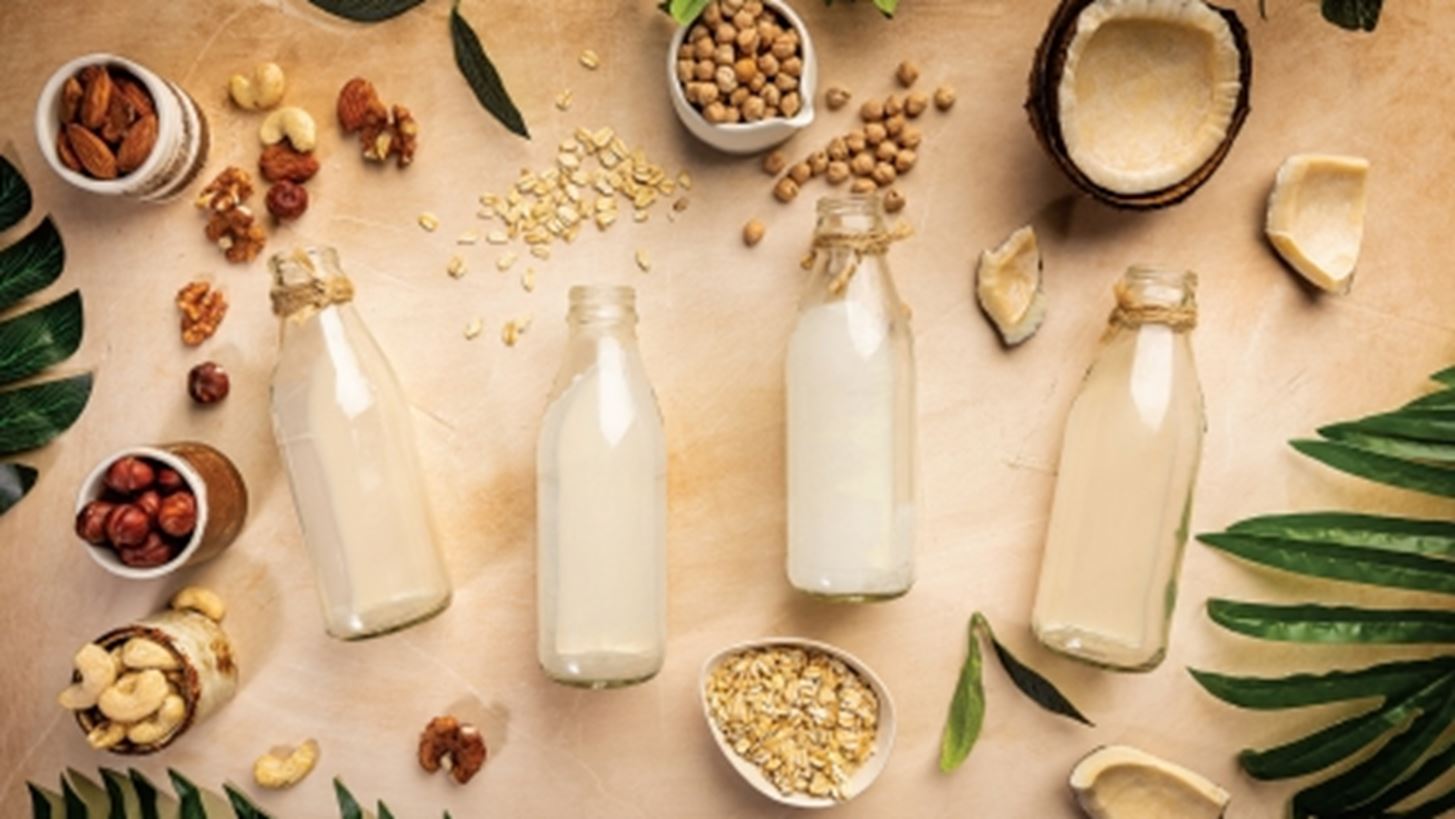
The plant-based dairy market in Greece, after a period of explosive growth, appears to be entering a phase of readjustment. Despite plant-based products becoming a permanent option, rising prices and decreasing disposable income are negatively impacting sales. Specifically, the total market value decreased by 11.8% in two years, reaching €48.023 million in 2025. Plant-based beverages, the largest category in the market, are experiencing the biggest decline, with a 3.49% year-on-year decrease and an 18.3% drop in two years. This trend is not exclusive to Greece, as similar declines are observed in other countries like the US and the UK. The rise of oat milk in the UK is mainly due to a shift within the category and not the attraction of new consumers. Conversely, plant-based cheeses remain the weakest category, with a 3.21% year-on-year decrease and a 16.2% drop in two years. The problem lies in the high price and the lack of satisfactory taste and texture for most consumers. However, internationally, the plant-based cheese market is expected to triple by 2035, with Germany, Italy, and the Netherlands leading the growth. There are also categories that are offsetting the decline, such as plant-based ice cream, which saw an impressive 133.1% increase in the first 11 months of 2025. Plant-based desserts and cream substitutes are also performing positively, with increases of 26.2% and 14.43% respectively. Private label brands are emerging as the big winners, responding to consumers' need for more affordable options.
You Might Also Like
Ελληνική Ζύμη (Vivartia): Η «σιωπηλή» εξαγορά, το ισχυρό 2025 και το νέο στοίχημα Αραμπατζή
Jan 13

Στις 213 οι ακάλυπτες επιταγές το 2025 – Μείωση σε αριθμό και αξία
Jan 14
Συμβούλιο Εγγραφής Κτηματομεσιτών: Ξεπέρασε τα €4,7 δισ. η αξία των μεταβιβάσεων το 2025
Jan 23
Ξεπέρασε τα €4,7 δισ. η αξία των μεταβιβάσεων το 2025 – Η εικόνα ανά επαρχία
Jan 23