Μια νέα κατηγορία μορίων RNA έχει ανακαλυφθεί σε βακτήρια που ζουν μέσα στο ανθρώπινο σώμα. Αυτές οι κυκλικές γενετικές δομές, που ονομάζονται οβελίσκοι, διαφέρουν από τους γνωστούς ιούς και τα βακτήρια και μπορεί να αντιπροσωπεύουν μια κατηγορία αυτοαναπαραγόμενου RNA που δεν είχε ταξινομηθεί μέχρι τώρα.
Τα ευρήματα προέκυψαν από εκτενή ανάλυση γενετικού υλικού που συλλέχθηκε από μικροβιακές κοινότητες σχετιζόμενες με τον άνθρωπο. Οι οβελίσκοι εντοπίζονται συχνά σε δείγματα από το στόμα και το έντερο και φαίνεται να υπάρχουν σε πληθυσμούς παγκοσμίως, αν και ο ρόλος τους παραμένει άγνωστος.
Αυτό που τους καθιστά ιδιαίτερους είναι η απλότητά τους. Δεν κωδικοποιούν πρωτεΐνες ούτε σχηματίζουν προστατευτικό περίβλημα, όπως οι ιοί. Αποτελούνται αποκλειστικά από μικρούς βρόχους RNA, οι οποίοι αναπαράγονται με τρόπους που δεν είναι ακόμη πλήρως κατανοητοί, αναφέρει το Daily Galaxy.
Χιλιάδες νέοι τύποι RNA
Οι ερευνητές εντόπισαν περισσότερους από 3.000 διαφορετικούς τύπους οβελίσκων RNA αναλύοντας δημόσια διαθέσιμα μεταγονιδιωματικά δεδομένα. Το υλικό προερχόταν κυρίως από το στοματικό και το εντερικό μικροβίωμα και εξετάστηκε με υπολογιστικά εργαλεία υψηλής απόδοσης, σχεδιασμένα να ανιχνεύουν κυκλικές δομές RNA μέσα σε τεράστιες γενετικές βάσεις δεδομένων.
Της έρευνας ηγήθηκε ο νομπελίστας Andrew Fire του Πανεπιστημίου του Στάνφορντ, ενώ τα αποτελέσματα προδημοσιεύθηκαν στην πλατφόρμα bioRxiv. Οι επιστήμονες εντόπισαν κλειστούς βρόχους RNA χωρίς περιοχές που να κωδικοποιούν πρωτεΐνες, στοιχείο που τους διαφοροποιεί από τα γνωστά ιικά γονιδιώματα. Αντ’ αυτού, μοιάζουν με ιοειδή, δηλαδή μη κωδικοποιητικά κυκλικά RNA που μολύνουν φυτά – αν και οι οβελίσκοι έχουν βρεθεί μόνο σε βακτήρια που σχετίζονται με τον άνθρωπο.
Πολλά από τα RNA φαίνεται να είναι ενσωματωμένα στα βακτηριακά γονιδιώματα, γεγονός που υποδηλώνει ότι αναπαράγονται εντός των μικροβιακών κυττάρων και έχουν προσαρμοστεί σε συγκεκριμένους βακτηριακούς ξενιστές. Μέχρι στιγμής δεν έχει συνδεθεί η παρουσία τους με άμεσες επιπτώσεις στην ανθρώπινη υγεία. Ωστόσο, καθώς φιλοξενούνται σε βακτήρια που σχετίζονται με την πέψη, το ανοσοποιητικό σύστημα και άλλες βασικές λειτουργίες, μελλοντικές μελέτες ενδέχεται να διερευνήσουν πιθανές έμμεσες επιδράσεις.
Δεν ταιριάζουν σε καμία κατηγορία
Οι νέες αυτές γενετικές δομές δεν ταιριάζουν σε καμία από τις καθιερωμένες κατηγορίες, όπως οι ιοί ή τα πλασμίδια. Πρόκειται για RNA που αυτοαναπαράγεται χωρίς τη βοήθεια πρωτεϊνών, προκαλώντας το ενδιαφέρον επιστημόνων που μελετούν τα όρια της ζωής και τις πιο στοιχειώδεις μορφές της.
Οι επιπτώσεις της ανακάλυψης επεκτείνονται στην εξελικτική βιολογία. Ορισμένες θεωρίες για την απαρχή της ζωής υποστηρίζουν ότι τα πρώτα βιολογικά συστήματα βασίζονταν αποκλειστικά σε αυτοαναπαραγόμενο RNA. Οι οβελίσκοι θα μπορούσαν να προσφέρουν ενδείξεις για εκείνα τα αρχέγονα στάδια.
Καθώς η αλληλούχιση ανθρώπινων και περιβαλλοντικών μικροβιωμάτων επεκτείνεται, οι επιστήμονες αναμένουν την ανακάλυψη και άλλων άγνωστων μορφών RNA. Το αν τα οβελίσκοι είναι αρχαία λείψανα της εξέλιξης του RNA ή σύγχρονα μοριακά παράσιτα παραμένει αναπάντητο. Οι τρέχουσες ερευνητικές προσπάθειες στοχεύουν στο να προσδιορίσουν πώς επιμένουν, πώς μεταδίδονται μεταξύ βακτηριακών ξενιστών και αν αλληλεπιδρούν με άλλα συστατικά των μικροβιακών κοινοτήτων.
Πηγή: cnn.gr
Scientists Discover New Life Forms Within the Human Body That Cannot Be Classified
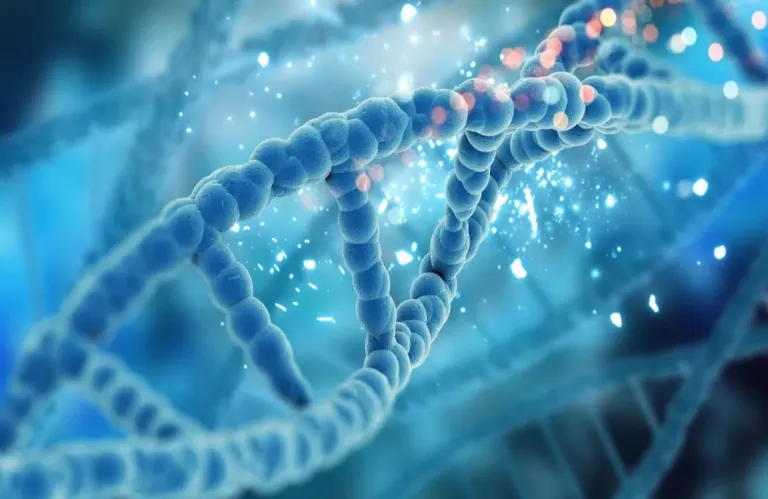
Scientists have discovered a new category of RNA molecules, called obelisks, in bacteria living within the human body. These circular genetic structures differ from known viruses and bacteria and appear to represent a self-replicating form of RNA that has not been classified before. The discovery was made through analysis of genetic material from human-associated microbial communities, primarily from the mouth and gut. Obelisks are simple, as they do not encode proteins nor do they have a protective shell like viruses. They replicate through mechanisms that are not yet fully understood, but appear to be integrated into bacterial genomes, suggesting adaptation to specific bacterial hosts. So far, no direct impact on human health has been observed, but their presence in bacteria associated with digestion and the immune system requires further research. The discovery is significant as obelisks do not fit into any of the established categories of genetic structures. This sparks the interest of scientists studying the boundaries of life and its most fundamental forms. Some theories about the origin of life suggest that the first biological systems were based on self-replicating RNA, making obelisks potential evidence for the early stages of life. As the sequencing of human and environmental microbiomes expands, scientists expect to discover other unknown forms of RNA. This research opens new avenues for understanding biological diversity and the evolution of life.
You Might Also Like
Πέντε επιστημονικά «κόλπα» μακροζωίας που δεν κοστίζουν μια περιουσία
Dec 18

Τα Χριστούγεννα που πνίγηκαν στο σκοτάδι και βάφτηκαν στο αίμα
Dec 22

Τα Χριστούγεννα της μοναξιάς για πολλούς ηλικιωμένους – Όταν τα φώτα ανάβουν, κάποια σπίτια μένουν στο μισοσκόταδο
Dec 30

Το εξωπραγματικό ποσό που κερδίζει καθημερινά η Τζ. Κ. Ρόουλινγκ από τα ηλεκτρονικά βιβλία του Χάρι Πότερ
Dec 30

Social Media: Οι «απαγορευμένες» λέξεις που κόβει ο αλγόριθμος – Ειδικός του Διαδικτύου εξηγεί
Jan 2