«Τώρα λοιπόν, άνδρες Αθηναίοι, δεν απολογούμαι για εμένα, όπως θα νόμιζε κανείς, αλλά για εσάς, για να μην αμαρτήσετε απέναντι στον θεό για το δώρο που σας έδωσε, καταδικάζοντάς με. Γιατί, αν με σκοτώσετε, δεν θα βρείτε εύκολα κάποιον άλλον σαν κι εμένα, όπως ακριβώς με έχει τοποθετήσει ο θεός στην πόλη, η οποία -αν μπορώ να το πω αστειευόμενος- σαν ένα άλογο μεγάλο και γενναίο αλλά λόγω μεγέθους νωθρό, χρειάζεται μια αλογόμυγα για να ξυπνήσει» Πλάτωνας, Απολογία Σωκράτους 30e-31a
Λίγο μετά τον θάνατο του Σωκράτη (399 π.Χ.), ο Πλάτωνας συγγράφει την Απολογία, ένα από τα πρώτα του έργα με το οποίο παραθέτει την υπερασπιστική γραμμή του δασκάλου του απέναντι στους κατηγόρους του. Δεν είναι η πρώτη φορά που οι Αθηναίοι στρέφονται εναντίον φιλοσόφων και ο Σωκράτης το γνωρίζει. Οι κατηγορίες που τον βαρύνουν είναι εκείνες που οι Αθηναίοι χρησιμοποιούν «πρόχειρες» για τους φιλοσόφους εν γένει («ερευνούν τα ουράνια φαινόμενα και δεν πιστεύουν στους θεούς» 23d). Ο Σωκράτης, αν και μπορεί να εξοριστεί για να γλυτώσει τον θάνατο, δεν θα επιλέξει την εξορία. Και ο Πλάτωνας -σοκαρισμένος από τη σωκρατική καταδίκη- θα συγγράψει την Απολογία του, ώστε να κοινωνήσει τη διδασκαλία του Σωκράτη.
Στην απολογία του ο Σωκράτης δεν θα επιχειρήσει να μεταστρέψει τη γνώμη των πολιτών για χάρη του ιδίου, αλλά για δική τους. Η πόλη -που είναι οι πολίτες της- παρομοιάζεται με ένα δυνατό άλογο που κοιμάται. Ο φιλόσοφος έχει μία θεϊκή αποστολή: Να αφυπνίσει τους πολίτες ενοχλώντας τους σαν αλογόμυγα, να τους δείξει τον δρόμο της αρετής ώστε να φροντίσουν τις ψυχές τους. Αν οι πολίτες τού το απαγορεύσουν αυτό, θα προτιμήσει τον θάνατο:
«Εγώ, λοιπόν, άνδρες Αθηναίοι, σας ασπάζομαι και σας αγαπώ αλλά θα υπακούσω περισσότερο στον θεό παρά σε εσάς και όσο αναπνέω και μπορώ, δεν θα σταματήσω να φιλοσοφώ και να σας συμβουλεύω και να υποδεικνύω σε όποιον τύχει να συναντώ, λέγοντας αυτά που έχω συνηθίσει: ‘Εσύ, Αθηναίε, άριστε των ανδρών, και πολίτη της μεγαλύτερης και πιο φημισμένης πόλης για τη σοφία και τη δύναμή της, δεν ντρέπεσαι να φροντίζεις για τα χρήματα και το πώς θα τα κάνεις περισσότερα και το ίδιο για τη δόξα και την τιμή, ενώ για τη φρόνηση και για την αλήθεια και για την ψυχή σου πώς θα την κάνεις καλύτερη ούτε σκέφτεσαι ούτε φροντίζεις;’» Πλάτωνας, Απολογία Σωκράτους 29d-e
Την ίδια περίπου εποχή, ο Πλάτωνας συγγράφει και τον διάλογο «Ευθύφρων» όπου ο Σωκράτης ερωτά τον ομώνυμο πρωταγωνιστή -προκειμένου να σωθεί στη δική του δίκη και να απαντήσει στον Μέλητο- τι είναι όσιο. Έπειτα από μια μακρά συνομιλία (που περιλαμβάνει το γνωστό δίλημμα του Ευθύφρονα: «Άραγε το όσιο είναι αγαπητό στους θεούς επειδή είναι όσιο ή είναι όσιο επειδή τους είναι αγαπητό;») ο Σωκράτης καταλήγει σε ένα σαρκαστικό συμπέρασμα, επιχειρώντας να προσδιορίσει τι είδους υπηρεσίες χρειάζονται οι θεοί, συνοψίζοντας τη συζήτηση:
«Άρα, Ευθύφρονα, η οσιότητα δεν είναι τίποτε άλλο παρά εμπορική τέχνη, μεταξύ θεών και ανθρώπων» Πλάτωνας, Ευθύφρων 14e
Η κατηγορία εναντίον του Σωκράτη είναι η «γραφή άσεβείας», την οποία είχε καταθέσει ο Μέλητος εναντίον του με συνηγόρους τον Άνυτο και το Λύκωνα, σύμφωνα με την οποία «ο Σωκράτης διαπράττει αδίκημα, καθώς δεν θεωρεί θεούς τους θεούς στους οποίους πιστεύει η πόλη, και εισηγείται νέες θεότητες (καινά δαιμόνια) και διαφθείρει τους νέους. Ποινή: θάνατος». Ο Σωκράτης καταρρίπτει τις κατηγορίες, και δεν παύει να επαναλαμβάνει ότι υπηρετεί τον θεό:
«Γιατί αυτά με προστάζει ο θεός, να το ξέρετε, και θεωρώ ότι δεν έχει συμβεί μεγαλύτερο αγαθό σε εσάς και στην πόλη από αυτή την υπηρεσία που προσφέρω στον θεό. Γιατί εγώ δεν κάνω τίποτε άλλο καθώς περιφέρομαι παρά να σας πείθω, νεότερους και γεροντότερους να μην φροντίζετε ούτε για τα σώματα ούτε για τα χρήματα με τόσο πάθος αλλά για το πώς θα κάνετε καλύτερη την ψυχή σας» Πλάτωνας, Απολογία Σωκράτους 30a-b
Η υπηρεσία του Σωκράτη απέναντι στο θεό δεν ακολουθεί την ανθρωπομορφική αντίληψη των θεών του Ομήρου και του Ησιόδου που «ανέθρεψαν τις γενιές των Ελλήνων». Αν θέλει κάποιος να υπηρετεί τον θεό, η φροντίδα της ψυχής του είναι η μεγαλύτερη προσφορά.
Η Δρ Έλσα Νικολαΐδου είναι συγγραφέας των βιβλίων:
Η Φιλοσοφία της ευτυχίας: Ζήσε καλύτερα διαβάζοντας τους αρχαίους φιλοσόφους, Μεταίχμιο, 2025
Φιλοσοφία για όλους: Γιατί να διαβάζουμε τους αρχαίους φιλοσόφους, Μεταίχμιο, 2022
philosophy.elsanicolaidou@gmail.com
Socrates, the Servant of God
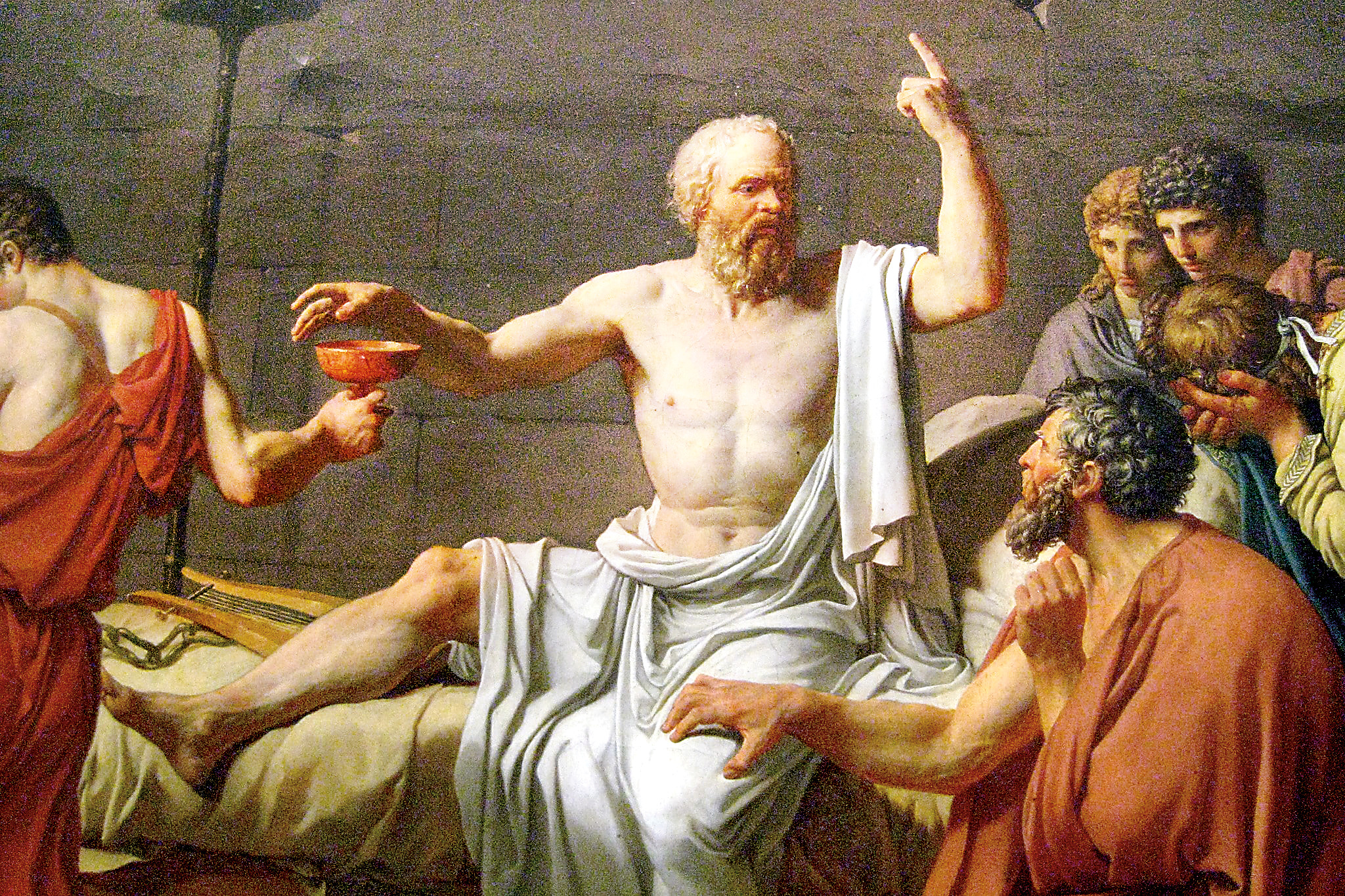
Shortly after the death of Socrates in 399 BC, Plato wrote the "Apology", a work presenting the defense of his teacher against the accusations leveled against him. Socrates was accused of impiety and corrupting the youth, charges frequently used by Athenians against philosophers. In his apology, Socrates does not seek acquittal at all costs, but to awaken the Athenians, likening himself to a gadfly stinging a drowsy horse. He believes that virtue and care for the soul are supreme goods and reproaches the Athenians for their obsession with material possessions and glory. Alongside the "Apology", Plato wrote the "Euthyphro", where Socrates explores the concept of piety through a dialogue with Euthyphro. Socrates challenges conventional notions of what is pious, leading Euthyphro into contradictions and dilemmas. The dialogue culminates in a sarcastic conclusion, where Socrates argues that piety resembles a commercial transaction between gods and men. Both works, the "Apology" and the "Euthyphro", highlight the Socratic method of questioning and seeking truth. Socrates does not offer ready-made answers but challenges his interlocutors to examine their beliefs and pursue knowledge. The trial and condemnation of Socrates were a tragic event that deeply affected Plato and led him to write these works, aiming to preserve and disseminate the teachings of his teacher. Overall, these works present a critique of Athenian society and its values, as well as a defense of philosophy as a way of life and a pursuit of truth. Socrates, despite the risk of death, remains faithful to his principles and continues to question and provoke his fellow citizens, believing that this is his duty to God and the city.
You Might Also Like

Αντώνης Μυριαγκός: Δεν υπάρχει περίπτωση να μην πληρώσεις το τίμημα των επιλογών σου
Dec 24

Έλενα Περικλέους: «Είναι μια θέση ευθύνης με ηθικό βάρος»
Dec 28
Ευγνωμοσύνη: Η άσκηση της συνειδητής ευδαιμονίας
Jan 3