Τα τατουάζ αποτελούν κομμάτι της σύγχρονης κουλτούρας, με την Ευρώπη να εκτιμάται ότι έως και το 20-25% του πληθυσμού φέρει τουλάχιστον ένα τατουάζ, και ποσοστά ακόμη υψηλότερα στις νεότερες ηλικιακές ομάδες. Παρά τη μαζική τους αποδοχή, ωστόσο, η συζήτηση γύρω από την ασφάλεια των τατουάζ και ειδικότερα του μελανιού που εισέρχεται στο σώμα παραμένει περιορισμένη.
Μια πρόσφατη επιστημονική μελέτη από τη Δανία, που δημοσιεύθηκε πρόσφατα στο έγκριτο περιοδικό BMC Public Health, επαναφέρει το θέμα στο προσκήνιο, εξετάζοντας για πρώτη φορά σε μεγάλη κλίμακα τη σχέση μεταξύ της έκθεσης σε μελάνι τατουάζ και της εμφάνισης ορισμένων μορφών καρκίνου, όπως το λέμφωμα και οι καρκίνοι του δέρματος. Η έρευνα βασίστηκε σε δεδομένα από δίδυμα άτομα, αξιοποιώντας το Δανέζικο Μητρώο Διδύμων, ένα από τα πληρέστερα στον κόσμο. Η επιλογή αυτή δεν ήταν τυχαία, καθώς οι δίδυμοι προσφέρουν ένα μοναδικό πλεονέκτημα: μοιράζονται σε μεγάλο βαθμό το ίδιο γενετικό υπόβαθρο και παρόμοιες περιβαλλοντικές συνθήκες, γεγονός που επιτρέπει στους επιστήμονες να απομονώσουν καλύτερα την επίδραση συγκεκριμένων παραγόντων, όπως το τατουάζ, από άλλες αιτίες. Η Καθηγήτρια Θεραπευτικής - Επιδημιολογίας - Προληπτικής Ιατρικής, Παθολόγος (Θεραπευτική Κλινική Ιατρικής Σχολής ΕΚΠΑ, Νοσοκομείο Αλεξάνδρα) Θεοδώρα Ψαλτοπούλου και η Αλεξάνδρα Σταυροπούλου (Βιολόγος), παραθέτουν τα κυριότερα τα σημεία της μελέτης.
Ένα από τα βασικά σημεία της μελέτης είναι η διαπίστωση ότι το μελάνι του τατουάζ δεν παραμένει αποκλειστικά στο σημείο όπου εγχέεται. Προηγούμενες εργαστηριακές και κλινικές έρευνες έχουν δείξει ότι σωματίδια μελανιού μπορούν να μεταφερθούν μέσω του λεμφικού συστήματος και της κυκλοφορίας του αίματος, συσσωρευόμενα κυρίως στους λεμφαδένες, αλλά και σε όργανα όπως το ήπαρ. Η παρουσία αυτών των ξένων σωματιδίων στο σώμα ενδέχεται να προκαλέσει χρόνια φλεγμονή, μια κατάσταση που έχει συνδεθεί εδώ και δεκαετίες με αυξημένο κίνδυνο καρκινογένεσης.
"Ιδιαίτερη ανησυχία προκαλεί το γεγονός ότι το πιο διαδεδομένο μελάνι, το μαύρο, περιέχει συχνά carbon black, μια ουσία που έχει χαρακτηριστεί ως πιθανώς καρκινογόνος για τον άνθρωπο. Κατά την παραγωγή της, δημιουργούνται επίσης πολυκυκλικοί αρωματικοί υδρογονάνθρακες, ορισμένοι από τους οποίους είναι αποδεδειγμένα καρκινογόνοι. Άλλες χρωστικές, ειδικά σε έγχρωμα μελάνια, μπορεί να διασπώνται με την έκθεση στον ήλιο ή κατά τη διαδικασία αφαίρεσης με λέιζερ, απελευθερώνοντας επιβλαβείς χημικές ενώσεις", σύμφωνα με τους ειδικούς.
Τα αποτελέσματα της δανέζικης μελέτης δείχνουν ότι τα άτομα με τατουάζ εμφάνισαν αυξημένο κίνδυνο για καρκίνο του δέρματος σε σύγκριση με άτομα χωρίς τατουάζ. Σε ορισμένες αναλύσεις, ο κίνδυνος αυτός ήταν σημαντικά υψηλότερος, ενώ παρατηρήθηκε ότι τα μεγάλα τατουάζ - εκείνα που καλύπτουν επιφάνεια μεγαλύτερη από την παλάμη του χεριού - συνδέονταν με ακόμη αυξημένο κίνδυνο τόσο για καρκίνο του δέρματος όσο και για λέμφωμα. Το εύρημα αυτό ενισχύει την υπόθεση ότι η ποσότητα του μελανιού και η συνολική έκθεση του οργανισμού παίζουν ρόλο.
Παράλληλα, οι ερευνητές εξέτασαν παράγοντες όπως το κάπνισμα και ο τρόπος ζωής, χωρίς να διαπιστώσουν ότι αυτοί εξηγούν πλήρως τη συσχέτιση. Ωστόσο, υπογραμμίζουν ότι η μελέτη δεν αποδεικνύει αιτιώδη σχέση. Με άλλα λόγια, δεν μπορεί να ειπωθεί ότι τα τατουάζ προκαλούν καρκίνο, αλλά ότι φαίνεται να υπάρχει μια στατιστική συσχέτιση που αξίζει περαιτέρω διερεύνησης.
Ένα ακόμη σημαντικό ζήτημα που αναδεικνύεται έμμεσα αφορά την έγκαιρη διάγνωση. Τα τατουάζ ενδέχεται σε ορισμένες περιπτώσεις να δυσκολεύουν τον εντοπισμό ύποπτων αλλοιώσεων στο δέρμα, όπως νέους σπίλους ή αλλαγές στο χρώμα και το σχήμα υπαρχόντων. Αυτό μπορεί να οδηγήσει σε καθυστέρηση της διάγνωσης του καρκίνου του δέρματος, με πιθανές συνέπειες στη σοβαρότητα της νόσου κατά τη στιγμή της ανίχνευσης. Για τον λόγο αυτό, οι ειδικοί συνιστούν στα άτομα με εκτεταμένα τατουάζ να υποβάλλονται σε τακτικούς δερματολογικούς ελέγχους, ιδιαίτερα αν έχουν αυξημένη έκθεση στον ήλιο ή οικογενειακό ιστορικό καρκίνου.
Τα τατουάζ είναι ευρέως διαδεδομένα και τα συνολικά ποσοστά καρκίνου στον γενικό πληθυσμό δεν έχουν εκτοξευθεί. Ωστόσο, καθώς όλο και περισσότεροι άνθρωποι αποκτούν τατουάζ από νεαρή ηλικία, η μακροχρόνια έκθεση του οργανισμού στο μελάνι αποτελεί ένα σχετικά νέο φαινόμενο, του οποίου οι συνέπειες δεν έχουν ακόμη πλήρως κατανοηθεί, αναφέρουν οι επιστήμονες.
Σε επίπεδο δημόσιας υγείας, τα ευρήματα αυτά ενισχύουν την ανάγκη για καλύτερη ενημέρωση των πολιτών, αυστηρότερους ελέγχους στη σύνθεση των μελανιών και συνεχή επιστημονική έρευνα. Η απόφαση για ένα τατουάζ δεν αφορά μόνο την αισθητική ή την προσωπική έκφραση, αλλά και μια μακροπρόθεσμη σχέση του σώματος με χημικές ουσίες που παραμένουν μέσα του για δεκαετίες.
Πηγή: ΑΠΕ-ΜΠΕ
Tattoo Ink and Health: Could Ink Be Linked to Cancer?
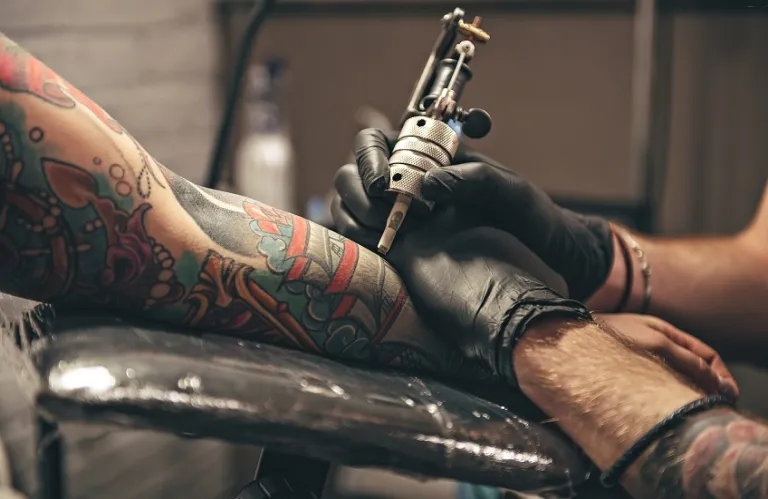
A new Danish study, published in BMC Public Health, investigates the relationship between exposure to tattoo ink and the development of cancer, such as lymphoma and skin cancers. The research, based on data from twins, suggests that tattoo ink does not remain solely at the injection site but can be transported through the lymphatic system and bloodstream to organs like the liver and lymph nodes. The study found that individuals with tattoos had an increased risk of skin cancer compared to those without tattoos. This risk was even higher for larger tattoos – those covering an area greater than the palm of the hand. This reinforces the hypothesis that the amount of ink and overall exposure of the body play a role. Researchers point out that black ink, the most common, often contains carbon black, a substance considered potentially carcinogenic. The production of carbon black also creates polycyclic aromatic hydrocarbons, some of which are proven carcinogens. Furthermore, the pigments in colored inks can break down with exposure to sunlight or during laser removal, releasing harmful chemical compounds. This study brings the discussion about tattoo safety and the need for further research into the long-term health effects of tattoo ink exposure back to the forefront. Experts call for caution and awareness regarding potential risks, especially concerning ink selection and sun protection.
Similar Articles
Τατουάζ και υγεία: Μπορεί το μελάνι να συνδέεται με καρκίνο;
Jan 5
You Might Also Like

Το εξωπραγματικό ποσό που κερδίζει καθημερινά η Τζ. Κ. Ρόουλινγκ από τα ηλεκτρονικά βιβλία του Χάρι Πότερ
Dec 30

Αυτά είναι τα 7 καλά νέα που έφερε το 2025 και ίσως δεν ακούσατε – Θετικές εξελίξεις σε επιστήμη και κλίμα
Dec 31

Αυτά είναι τα καλά νέα του 2025 που πέρασαν στα ψιλά
Dec 31
Τατουάζ και υγεία: Μπορεί το μελάνι να συνδέεται με καρκίνο;
Jan 5

Έρευνα ασχολείται με διασύνδεση τατουάζ και καρκίνου
Jan 5