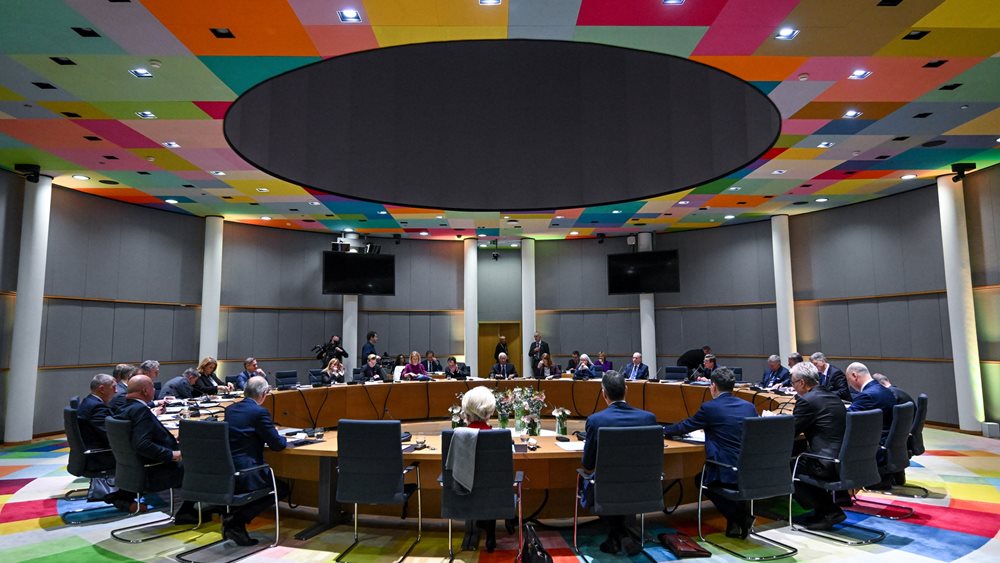
Η ΕΚΤΑΚΤΗ σύνοδος του Ευρωπαϊκού Συμβουλίου, που πραγματοποιήθηκε την περασμένη Πέμπτη στις Βρυξέλλες, έδωσε την ευκαιρία να ξεκαθαρίσουν πολλά σε σχέση, κυρίως, με την κρίση που ξέσπασε με τις ΗΠΑ. Άλλωστε από την πρώτη στιγμή, μετά τις τοποθετήσεις Τραμπ για τη Γροιλανδία και τις εξαγγελίες για την επιβολή δασμών σε κράτη-μέλη της Ένωσης, η κυπριακή Προεδρία της Ε.Ε. συγκάλεσε έκτακτη Επιτροπή Μόνιμων Αντιπροσώπων.
ΑΠΟ τις συζητήσεις στη σύνοδο του Ευρωπαϊκού Συμβουλίου, που συγκάλεσε ο Πρόεδρος του, Αντόνιο Κόστα, αλλά και όσα προηγήθηκαν τις ώρες πριν την πραγματοποίηση του, φαίνεται πως σημειώθηκε μερική αποκλιμάκωση. Αυτό σημαίνει ότι δούλεψαν τα κανάλια της διπλωματίας και επικράτησαν, στην παρούσα φάση, οι ψυχραιμότεροι. Η Ε.Ε., ωστόσο, παραμένει σε επιφυλακή καθώς ανά πάσα στιγμή μπορεί να υπάρξει κλιμάκωση.
Ο ΠΡΟΕΔΡΟΣ της Δημοκρατίας, Νίκος Χριστοδουλίδης, ξεκαθάρισε κατά την άφιξή του στην έκτακτη Σύνοδο του Ευρωπαϊκού Συμβουλίου, ότι στόχος δεν είναι η κλιμάκωση, καθώς αυτό λειτουργεί ενάντια στις διατλαντικές σχέσεις. Στόχος είναι η αποκλιμάκωση, «χωρίς φυσικά καμία απολύτως έκπτωση στην κυριαρχία, στην εδαφική ακεραιότητα – βασικές αρχές του Διεθνούς Δικαίου». Παράλληλα εκφράσθηκε και η στήριξη προς τη Δανία για πλήρη σεβασμό στην κυριαρχία και την εδαφική ακεραιότητα του της. «Η Κυπριακή Δημοκρατία γνωρίζει καλύτερα από οποιοδήποτε άλλο κράτος μέλος τι σημαίνει παραβίαση κυριαρχίας και εδαφικής ακεραιότητας», διαμήνυσε προς κάθε κατεύθυνση ο Πρόεδρος.
ΕΚΕΙΝΟ, πάντως, που προβάλλεται έντονα με αφορμή και τα όσα διαδραματίζονται διεθνώς και κυρίως λόγω και της εν γένει συμπεριφοράς των Ηνωμένων Πολιτειών, όπως εκφράζεται από τον Πρόεδρο Τραμπ, καθίσταται η ανάγκη στρατηγικής αυτονομίας της Ευρωπαϊκής Ένωσης. Αυτή η προοπτική φαντάζει, πλέον, μονόδρομος για την Ε.Ε.
ΤΑ όσα παρακολουθούμε διεθνώς επιβάλλουν την υλοποίηση τούτου. Το αντιλαμβάνονται όλοι στην Ε.Ε. Το σημειώνουν με κάθε ευκαιρία, μένει ωστόσο, να προχωρήσουν με βήματα. Άλλωστε είναι προφανές πως οι εξελίξεις σπρώχνουν την Ευρωπαϊκή Ένωση προς αυτή την κατεύθυνση. Ο Αμερικανός Πρόεδρος, Ντόναλντ Τραμπ, το είχε αναφέρει εξαρχής, με την έναρξη της δεύτερης του θητείας πιο έντονα, ότι οι Ευρωπαίοι θα έπρεπε να φροντίζουν για την άμυνα και ασφάλεια τους. Για τα του οίκου τους.
ΟΙ εξελίξεις δημιουργούν δεδομένα, που δεν μπορούν να υποβαθμιστούν. Η Ε.Ε. πρέπει να δράσει αμέσως και να προχωρήσει σε βήματα στρατηγικής της αυτονομίας. Αυτό θα ενισχύσει το ρόλο της και τη θέση της διεθνώς.
The European Union's Strategic Autonomy
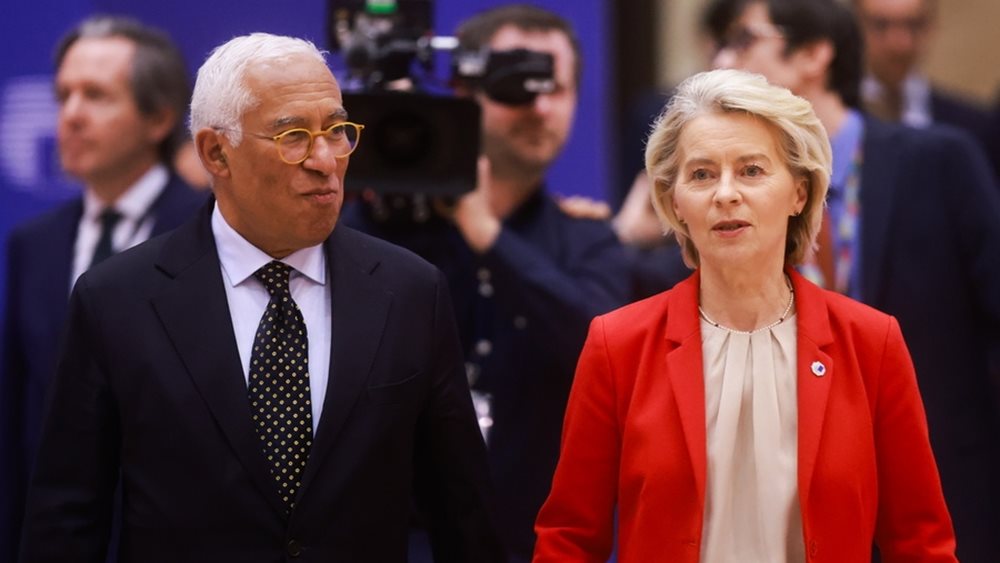
The extraordinary meeting of the European Council, held last Thursday in Brussels, provided an opportunity to clarify many issues, primarily regarding the crisis triggered by the United States. Following President Trump's statements about Greenland and the announcements of imposing tariffs on EU member states, the Cypriot Presidency of the EU immediately convened an emergency Committee of Permanent Representatives. The discussions at the European Council meeting, convened by President António Costa, and the preceding hours, suggest a partial de-escalation. This indicates that diplomatic channels worked and, for the time being, cooler heads prevailed. However, the EU remains on alert as escalation is possible at any time. President of the Republic, Nikos Christodoulides, clarified upon his arrival at the extraordinary European Council Summit that the goal is not escalation, as this would be detrimental to transatlantic relations. The goal is de-escalation, “without any compromise on sovereignty and territorial integrity – fundamental principles of International Law.” Support was also expressed for Denmark for full respect of its sovereignty and territorial integrity. “The Republic of Cyprus knows better than any other member state what it means to violate sovereignty and territorial integrity,” the President emphasized. However, the need for strategic autonomy of the European Union is becoming increasingly prominent, given international developments and the overall behavior of the United States, as expressed by President Trump. This prospect now appears to be the only way forward for the EU. The EU must take action immediately and move towards strategic autonomy to strengthen its role and position internationally.
You Might Also Like
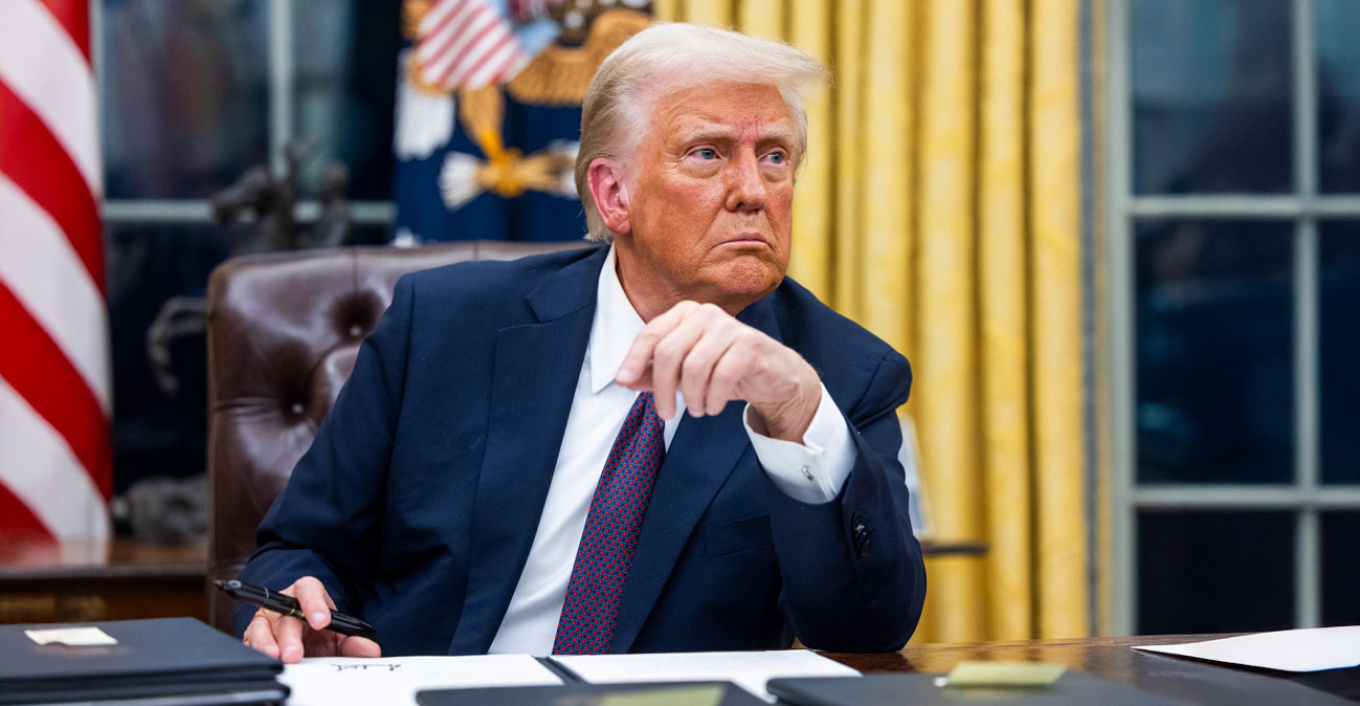
Απτόητος ο Τραμπ απέναντι στην Ευρώπη: «Τώρα είναι η ώρα και θα γίνει» για τη Γροιλανδία – Στο τραπέζι αντίποινα €93 δισ. από την ΕΕ
Jan 19
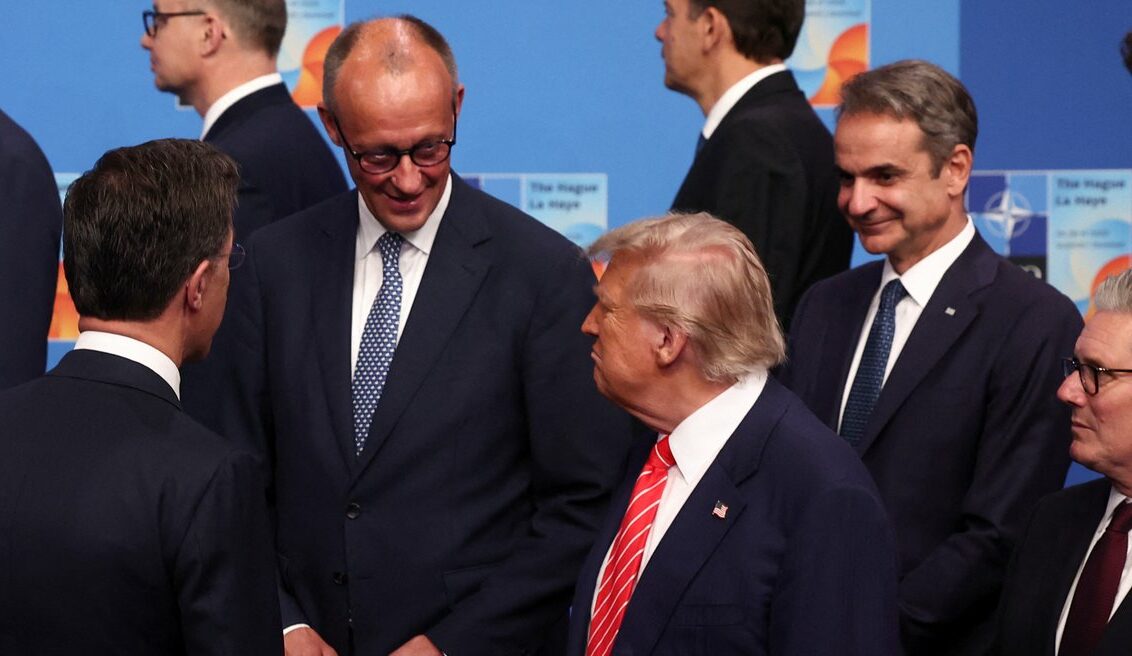
Κι αν το δυτικό στρατόπεδο μοιραστεί στα δυο;
Jan 20
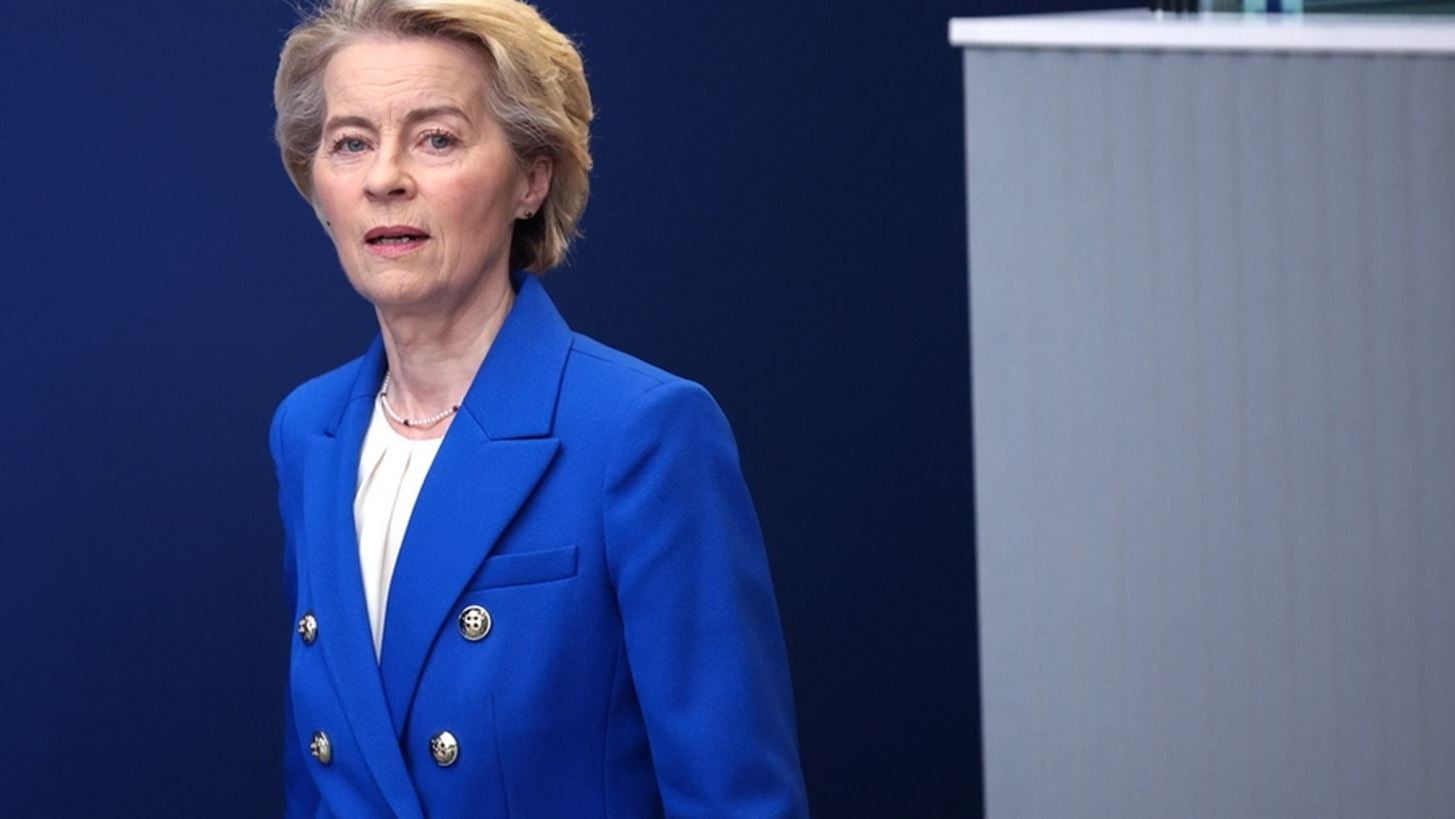
Φορ Ντερ Λάιεν: ΕΕ-ΗΠΑ έχουν κοινό συμφέρον για την ασφάλεια της Αρκτικής
Jan 23
Έκτακτη σύνοδος: Στόχος η σταθεροποίηση των εμπορικών σχέσεων με τις ΗΠΑ
Jan 23
Προς αποκλιμάκωση της έντασης Ε.Ε.- ΗΠΑ: Τα μηνύματα των 27 ηγετών
Jan 23