Από τους πονοκεφάλους του κόκκινου κρασιού μέχρι τον ρόλο της ψυχολογίας και των «σκοτεινών» ποτών, η ομάδα Science Features του BBC συγκέντρωσε τα πιο ουσιαστικά, επιστημονικά τεκμηριωμένα ευρήματα για το φαινόμενο του hangover, λίγο πριν το ξημέρωμα της Πρωτοχρονιάς που κάθε χρόνο βρίσκει εκατομμύρια ανθρώπους να αναζητούν απαντήσεις για το τι συνέβη το προηγούμενο βράδυ. Το hangover, με συμπτώματα που θυμίζουν ιατρική διάγνωση –αμνησία, σφυροκόπημα στο κεφάλι, λήθαργο, ναυτία και αντικρουόμενη πείνα– δεν οφείλεται πάντα στο είδος του αλκοόλ, αλλά στον τρόπο που ο οργανισμός του κάθε ατόμου το μεταβολίζει.
Έρευνες δείχνουν ότι οι πονοκέφαλοι από κόκκινο κρασί είναι υπαρκτό φαινόμενο, αλλά δεν συνδέονται με τα θειώδη (sulphites) όπως πολλοί πιστεύουν, καθώς αυτά περιέχονται εξίσου και στο λευκό κρασί, χωρίς να προκαλούν την ίδια ένταση συμπτωμάτων. Η προσοχή στρέφεται πλέον στην κουερσετίνη (quercetin) –μια ουσία άφθονη στη φλούδα των κόκκινων σταφυλιών– η οποία φαίνεται να διαταράσσει τον φυσιολογικό μεταβολισμό του αλκοόλ σε συγκεκριμένα άτομα, οδηγώντας στη συσσώρευση ακεταλδεΰδης, μιας τοξικής, επιβαρυντικής χημικής ένωσης.
Παράλληλα, οι διαδεδομένοι μύθοι περί «ανάμειξης ποτών» καταρρίπτονται. Το BBC υπογραμμίζει ότι το mixing drinks δεν σε μεθάει περισσότερο από μόνο του – αυτό που καθορίζει την ένταση της επόμενης ημέρας είναι η συνολική ποσότητα αιθανόλης (ethanol) που καταναλώθηκε, αλλά και η γενετική παραλλαγή ενζύμων όπως το ALDH, που σε κάποιους λειτουργεί λιγότερο αποδοτικά. Όταν το ALDH δεν μετατρέπει επαρκώς την ακεταλδεΰδη σε ακίνδυνη οξική ένωση (acetate), τα συμπτώματα «χτυπούν κόκκινο».
Τα congeners, δηλαδή τα υποπροϊόντα της ζύμωσης –όπως ακετόνη, φουζέλαιο και τανίνες– παίζουν επίσης ρόλο. Τα πιο σκούρα ποτά, όπως το bourbon, περιέχουν έως και 37 φορές περισσότερα congeners από τη βότκα, και συνδέονται με εντονότερο hangover. Παρόλα αυτά, και εδώ ο όγκος της κατανάλωσης υπερτερεί ως παράγοντας.
Ενδιαφέρον παρουσιάζουν και τα «υποτιθέμενα οφέλη» του κόκκινου κρασιού. Ο λεγόμενος French Paradox, που πρωτοσυζητήθηκε τη δεκαετία του 1970, εξακολουθεί να εξετάζεται, αν και νεότερες μελέτες αμφισβητούν την ιδέα ότι το μέτριο αλκοόλ προστατεύει την καρδιά, με δεδομένα από την Κίνα να δείχνουν αυξημένο κίνδυνο για εγκεφαλικό και υπέρταση όσο μεγαλώνει η κατανάλωση.
Το BBC όμως δίνει ιδιαίτερη έμφαση και στον ψυχολογικό παράγοντα. Σε πειράματα, η προσδοκία (expectation) μπορεί να «μεθύσει» κάποιον περισσότερο, ακόμα κι αν έχει καταναλώσει λιγότερο αλκοόλ. Όσοι πίστευαν ότι ήπιαν περισσότερο, συμπεριφέρθηκαν πιο «επιθετικά» σε δοκιμές με καυτερά μπαχαρικά και hot sauce. Αντίστοιχα, όσοι ενημερώθηκαν ότι κατανάλωσαν «εξωτικό cocktail» ένιωσαν λιγότερο μεθυσμένοι από όσους νόμιζαν ότι ήπιαν vodka + energy drinks.
Τέλος, οι κοινωνικές επιρροές δεν μένουν έξω από την εξίσωση. Σύμφωνα με μελέτη του 2019, φοιτητές που είχαν θετικές συζητήσεις για το αλκοόλ, ήπιαν περισσότερο την επόμενη μέρα, ενώ όσοι μοιράστηκαν αρνητικές εμπειρίες, περιόρισαν μελλοντικά την κατανάλωση. Οι παρέες, αλλά και οι συζητήσεις της προηγούμενης ημέρας, φαίνεται να επηρεάζουν –συνειδητά ή ασυνείδητα– τις αποφάσεις στο μπαρ της επόμενης νύχτας.
Το συμπέρασμα του BBC είναι σαφές: ο πιο αξιόπιστος τρόπος αποφυγής του hangover παραμένει η μέτρηση της συνολικής κατανάλωσης και –αν θέλουμε ένα μικρό προβάδισμα– η αποφυγή των σκούρων ποτών όταν η βραδιά μακραίνει.
Six Scientific Facts to Wake Up Without a Hangover on New Year's

The BBC's Science Features team investigated the causes of hangovers, revealing that they are not so much due to the type of alcohol, but to how each organism metabolizes it. Contrary to popular belief, headaches from red wine are not caused by sulfites, but by quercetin, a substance that accumulates toxic compounds in the body. The myth of mixing drinks is debunked, as the intensity of the hangover depends on the total amount of alcohol consumed and genetic predisposition. Darker drinks contain more congeners, which worsen hangovers, but again, the volume of consumption is crucial. Furthermore, the research challenges the supposed benefits of red wine for the heart, with data showing an increased risk of stroke and hypertension. The psychological factor also plays a significant role, as the expectation of intoxication can enhance the effects, even with smaller consumption. Experiments showed that those who believed they had drunk more exhibited more "aggressive" behavior. Social influence also affects alcohol consumption, with a 2019 study showing that students with positive discussions about alcohol consumed more. The research highlights that understanding the scientific factors that contribute to hangovers can help prevent them, but is not a cure-all. In summary, a hangover is a complex phenomenon influenced by biological, psychological, and social factors. Excessive alcohol consumption, genetic predisposition, the presence of specific substances in drinks, and social influences are some of the factors that contribute to the onset of unpleasant symptoms. Prevention remains the best solution.
You Might Also Like

Πέντε χρόνια Brexit: Ακρίβεια, ανεργία και οικονομική αιμορραγία για τους Βρετανούς
Dec 13
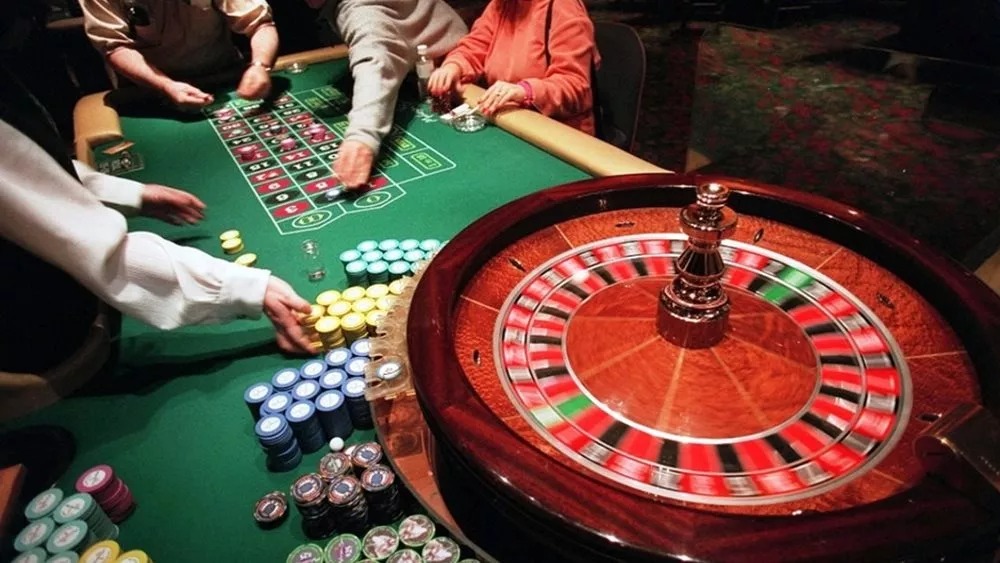
Ακόμη και αθώα παιγνίδια του διαδικτύου μπορούν να οδηγήσουν σε εθισμό στον τζόγο – Τι προειδοποιεί η διευθύντρια ΚΕΝΘΕΑ
Dec 14

Ντελίβερι χωρίς φρένα - Το χάος με σκούτερ και ηλεκτρικά ποδήλατα
Dec 14

Εύκολοι «φίλοι», βολικοί «εχθροί»
Dec 21

Όσοι αποφεύγουν τα αλμυρά, αργούν να γεράσουν - Απειλή για δέρμα και κολλαγόνο το αλάτι
Dec 30