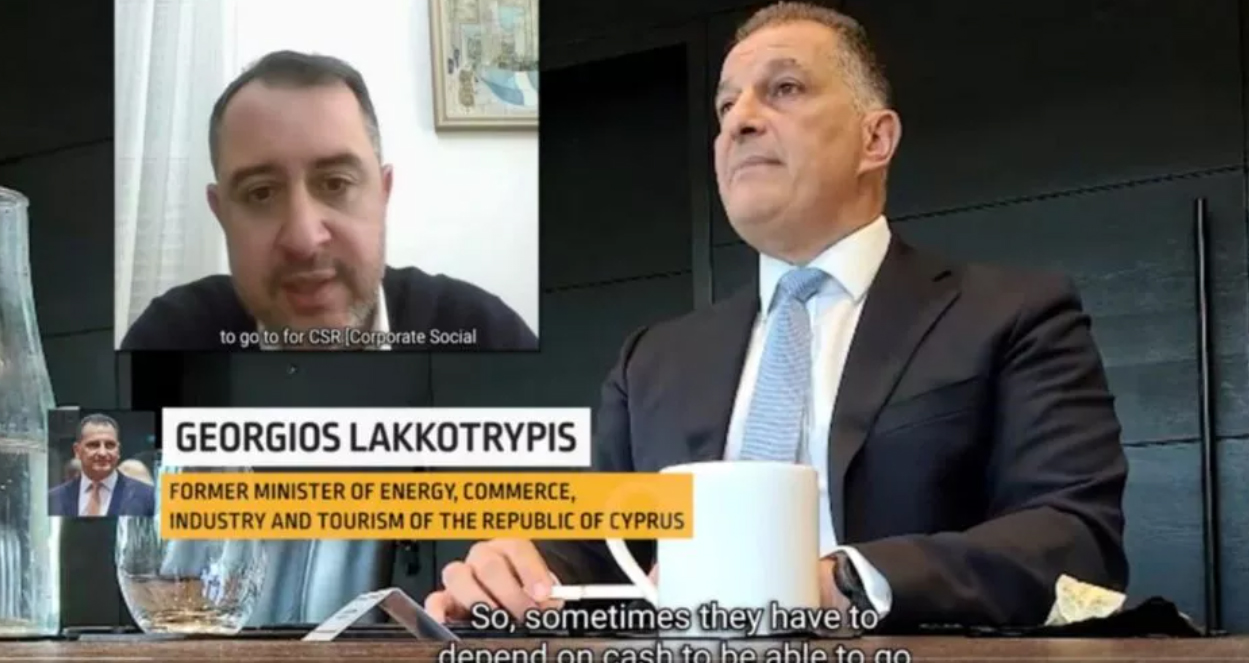
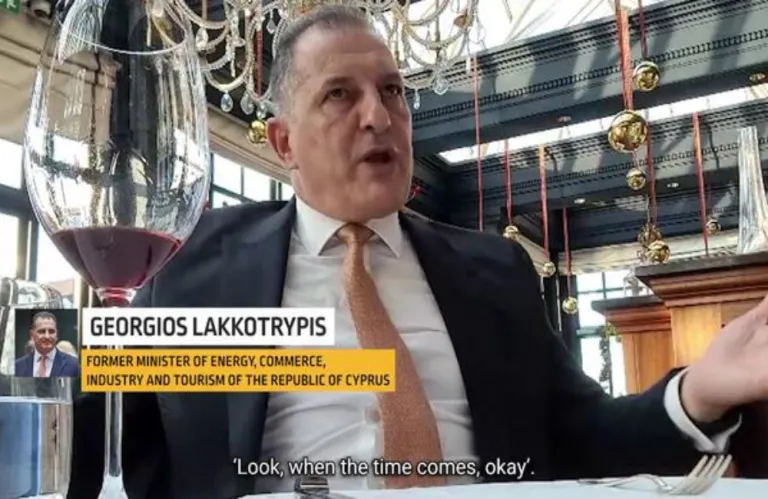
Το βίντεο που δημοσιεύτηκε πρόσφατα στην πλατφόρμα Χ από άγνωστο λογαριασμό και αφορά την κυβέρνηση Χριστοδουλίδη, παρουσιάστηκε από ορισμένους ως δήθεν αποκαλυπτικό. Μια προσεκτική, όμως, και νηφάλια εξέταση των δεδομένων οδηγεί σε ένα σαφές συμπέρασμα: στο συγκεκριμένο υλικό δεν προκύπτει τίποτα ηθικά μεμπτό, ούτε για τον ίδιο τον Πρόεδρο ούτε για την κυβέρνησή του.
Πρώτον, το ζήτημα της ανωνυμίας δεν είναι δευτερεύον. Όταν μια σοβαρή κατηγορία ή υπαινιγμός διακινείται από λογαριασμό χωρίς ταυτότητα, χωρίς ιστορικό αξιοπιστίας και χωρίς ανάληψη ευθύνης, τότε το βάρος της απόδειξης γίνεται ακόμη πιο αυστηρό. Στην προκειμένη περίπτωση, το βίντεο δεν συνοδεύεται από τεκμηρίωση, έγγραφα ή αποδείξεις που να στοιχειοθετούν ανήθικη ή παράνομη συμπεριφορά με την ανωνυμία να λειτουργεί περισσότερο ως ασπίδα για τον αποστολέα παρά ως εγγύηση αλήθειας.
Δεύτερον, το περιεχόμενο του βίντεο -όπως έχει δημοσιοποιηθεί- δεν καταδεικνύει παραβίαση ηθικών ή θεσμικών κανόνων. Δεν προκύπτει σύγκρουση συμφερόντων, κατάχρηση εξουσίας ή ενέργεια που να αντίκειται στις αρχές διαφάνειας και δημόσιας ευθύνης. Η ερμηνεία του υλικού βασίζεται κυρίως σε υπαινιγμούς και υποθέσεις, όχι σε αντικειμενικά δεδομένα. Η ηθική μομφή, όμως, δεν μπορεί να στηρίζεται σε εντυπώσεις.
Τρίτον, είναι σημαντικό να διαχωρίζουμε την πολιτική κριτική από την ηθική καταδίκη. Ο Νίκος Χριστοδουλίδης, ως εκλεγμένος Πρόεδρος, οφείλει -και υπόκειται- σε πολιτικό έλεγχο. Αυτός ο έλεγχος, ωστόσο, για να είναι ουσιαστικός και δημοκρατικός, πρέπει να στηρίζεται σε επώνυμα επιχειρήματα και αποδείξεις. Όταν η κριτική μετατρέπεται σε σκιές χωρίς στοιχεία, τότε δεν υπηρετεί τη δημοκρατία αλλά την υπονόμευση της εμπιστοσύνης των πολιτών προς το δημοκρατικό πολίτευμα και κατ’ επέκταση στα κύτταρα της δημοκρατίας, δηλαδή τα κόμματα, που είναι τα πρώτα που θα πληρώσουν αυτή την ανωμαλία, αφού οι βουλευτικές εκλογές προηγούνται των προεδρικών.
Τέλος, δεν μπορεί να αγνοηθεί το ευρύτερο πολιτικό πλαίσιο. Η εργαλειοποίηση των κοινωνικών δικτύων για τη δημιουργία ηθικών εντυπώσεων αποτελεί διεθνώς γνωστή πρακτική. Το συγκεκριμένο βίντεο εντάσσεται περισσότερο σε αυτή τη λογική παρά σε μια ειλικρινή προσπάθεια αποκάλυψης της αλήθειας.
Συμπερασματικά, το βίντεο δεν αποδεικνύει τίποτα ηθικά επιλήψιμο. Αντίθετα, αναδεικνύει τους κινδύνους της ανώνυμης πολιτικής επίθεσης και την ανάγκη οι πολίτες να αξιολογούν με κριτική σκέψη όσα διακινούνται στο ψηφιακό περιβάλλον.
ΥΓ. Είναι τουλάχιστον ξεκάθαρο και γενικά αποδεκτό από όλους ότι η δημοσίευση του βίντεο μόλις μια μέρα μετά την τελετή έναρξης της Κυπριακής Προεδρίας, δεν ήταν καθόλου τυχαία. Θα ήταν όμως άδικο να αφήσουμε μια σκοπιμότητα αμφιβόλου προέλευσης, να επισκιάσει μια ομολογουμένως αξιοθαύμαστη δουλειά που έγινε από όλους τους συντελεστές της. Από τον Πρόεδρο της Δημοκρατία και την Μαριλένα Ραουνά μέχρι και τον τελευταίο συμμετέχοντα. Αξίζει να αναφερθεί ότι κατά τη διάρκεια της προβολής της από τις οθόνες του ΡΙΚ, η τηλεθέαση έφτασε μέχρι και 22,4% με το ΡΙΚ να είναι πρώτο στη ζώνη των 6.00μμ με 8.00μμ, ποσοστό πολύ ψηλό για μια πολιτική εκδήλωση.
*Πολιτικός Αναλυτής
Loss of Moral Advantage Requires Concrete Evidence

A recently released video on the X platform from an unknown account concerning the Christodoulides government has been presented by some as allegedly revealing. However, a careful and sober examination of the data leads to a clear conclusion: the material reveals nothing morally reprehensible, neither for the President himself nor for his government. Firstly, the issue of anonymity is not secondary. When a serious accusation or insinuation is circulated from an unidentified account, without a history of credibility and without taking responsibility, the burden of proof becomes even stricter. In this case, the video is not accompanied by documentation, documents, or evidence to substantiate unethical or illegal behavior, with anonymity serving more as a shield for the sender than as a guarantee of truth. Secondly, the content of the video – as has been publicized – does not demonstrate a violation of ethical or institutional rules. There is no conflict of interest, abuse of power, or action contrary to the principles of transparency and public responsibility. The interpretation of the material is based primarily on insinuations and assumptions, not on objective data. Moral blame, however, cannot be based on impressions. Thirdly, it is important to distinguish between political criticism and moral condemnation. Nikos Christodoulides, as the elected President, is obliged – and subject – to political scrutiny. However, this scrutiny, in order to be substantial and democratic, must be based on named arguments and evidence. When criticism turns into shadows without evidence, it does not serve democracy but undermines the public’s trust in the democratic system and, by extension, in the cells of democracy, namely the parties, which will be the first to pay for this anomaly. Finally, the broader political context cannot be ignored. The use of social networks to create moral impressions is a well-known international practice. This particular video is more in line with this logic than with a sincere effort to reveal the truth. In conclusion, the video does not prove anything morally reprehensible. On the contrary, it highlights the risks of anonymous political attacks and the need for citizens to critically evaluate what is circulating in the digital environment.
You Might Also Like

Πυρ ομαδόν τα κόμματα για το επίμαχο βίντεο – Ζητούν εις βάθος έρευνα και καθαρές εξηγήσεις από την Κυβέρνηση
Jan 9
Κι αν είναι μοντάζ πάλι σκάνδαλα είναι
Jan 10
Το Προεδρικό ως μήτρα σκιών
Jan 11
Δεν είναι το βίντεο. Είναι το σύστημα
Jan 11

Όταν το βίντεο μιλά και η πολιτική ευθύνη σιωπά
Jan 14