Έως και 30% ανέρχεται η μείωση στην παραγωγή μελιού στην Κύπρο λόγω καιρικών συνθηκών, ενώ στις προκλήσεις που αντιμετωπίζουν οι παραγωγοί συμπεριλαμβάνεται και ο αθέμιτος ανταγωνισμός από το εισαγόμενο μέλι, λέει ο Ανώτερος Λειτουργός Γεωργίας, Λύσανδρος Λυσανδρίδης.
Όπως είπε ο κ. Λυσανδρίδης, η πίεση στους πληθυσμούς της μέλισσας – που έχει κομβικό ρόλο για τη διατήρηση της βιοποικιλότητας, της περιβαλλοντικής ισορροπίας και της αγροτικής παραγωγής – αποτελεί ένα παγκόσμιο και πολυπαραγοντικό φαινόμενο. Είναι ενδεικτικό, σημείωσε, ότι οι μέλισσες συμμετέχουν στην επικονίαση του 75% των φυτών του πλανήτη και στο 80–90% της παραγωγής πολλών καρποφόρων και αροτραίων καλλιεργειών, καθιστώντας την παρουσία τους κρίσιμη, ιδιαίτερα σε χώρες όπως η Κύπρος που πλήττονται έντονα από τις συνέπειες της κλιματικής αλλαγής.
Βασικές αιτίες της μείωσης, ανέφερε, είναι η κλιματική αλλαγή, η απώλεια βιοτόπων λόγω αστικοποίησης και πυρκαγιών, αλλά και η μη ορθολογική χρήση φυτοφαρμάκων. Χαρακτηριστικά παραδείγματα αποτελούν χώρες όπως η Βουλγαρία, όπου, όπως είπε, εκτιμάται ότι έχει χαθεί έως και το 90% των αποικιών, καθώς και οι Ηνωμένες Πολιτείες, που αναμένεται να καταγράψουν απώλειες της τάξης του 70%.
Στην Κύπρο, οι απώλειες μελισσιών δεν φτάνουν σε αντίστοιχα επίπεδα, κυρίως λόγω της εμπειρίας των μελισσοκόμων στις ξηροθερμικές συνθήκες, αλλά και των κοστοβόρων προσπαθειών που καταβάλλουν για την αναπλήρωση των απωλειών, συμπλήρωσε. Παρόλα αυτά, είπε, οι συνέπειες στην παραγωγή είναι σημαντικές, καθώς σε χρονιές με δυσμενείς καιρικές συνθήκες η μέση παραγωγή μελιού ανά κυψέλη μειώνεται κατά τουλάχιστον 30%.
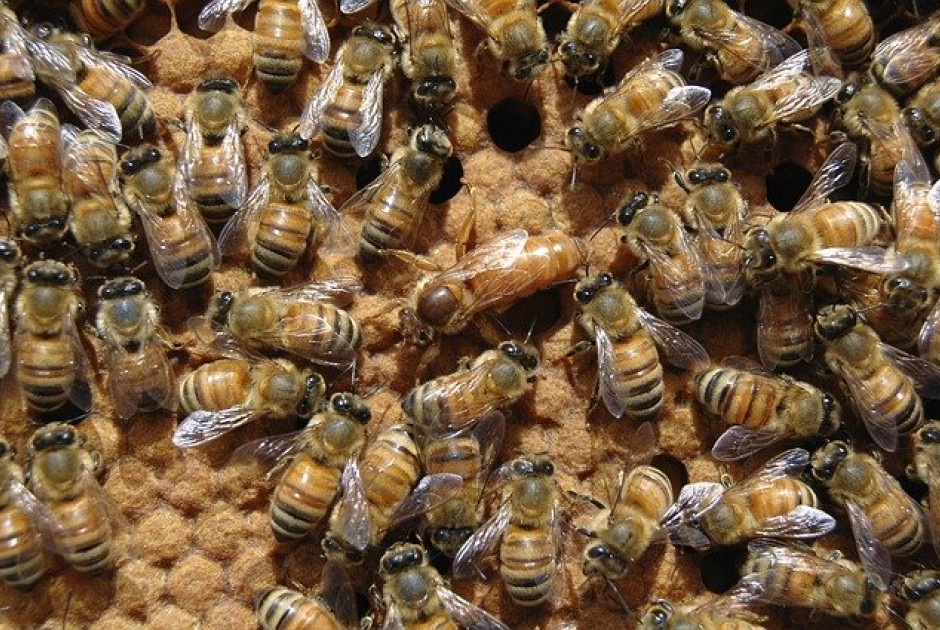
Σύμφωνα με τον κ. Λυσανδρίδη, οι αυξημένες θερμοκρασίες, η παρατεταμένη ξηρασία, οι πυρκαγιές και η αστικοποίηση οδηγούν σε δραματική συρρίκνωση της άγριας βλάστησης, περιορίζοντας τη διαθέσιμη γύρη και το νέκταρ. Την ίδια στιγμή, παρατηρούνται, όπως είπε, μεταβολές στον βιολογικό κύκλο των μελισσών, που αποδυναμώνουν το ανοσοποιητικό τους σύστημα και τις καθιστούν πιο ευάλωτες σε παθογόνα και εχθρούς, όπως οι σφήκες και ο μελισσοφάγος, των οποίων η δραστηριότητα έχει αυξηθεί τα τελευταία χρόνια.
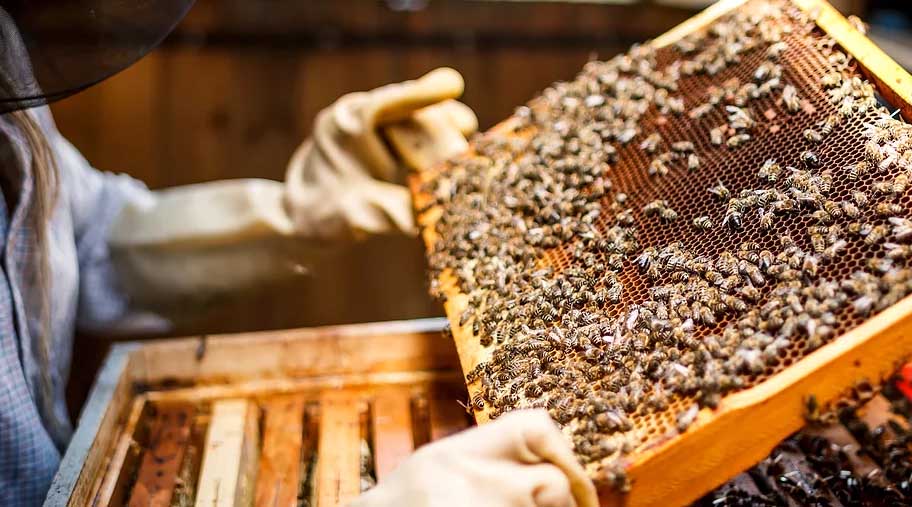
Αναγνωρίζοντας τις επιπτώσεις αυτές, το κράτος εφαρμόζει σειρά εθνικών και κοινοτικών μέτρων στήριξης, όπως το Μελισσοκομικό Πρόγραμμα, δράσεις του Στρατηγικού Σχεδίου 2023–2027 για τη βιοποικιλότητα, τη βιολογική μελισσοκομία και τη διαχείριση μελισσοσμηνών, καθώς και ενισχύσεις για το κόστος μετακίνησης των κυψελών.
Ωστόσο, το σημαντικότερο πρόβλημα του τομέα παραμένει, σύμφωνα με τον κ. Λυσανδρίδη, ο αθέμιτος ανταγωνισμός από το εισαγόμενο μέλι. Ενδεικτικά, η τιμή εισαγωγής μελιού από την Κίνα στην ΕΕ ανέρχεται σε περίπου €1,39 ανά κιλό, την ώρα που το κυπριακό μέλι πωλείται στη λιανική γύρω στα €10 το κιλό. Παρά την αύξηση του κόστους παραγωγής, οι Κύπριοι μελισσοκόμοι δεν έχουν προχωρήσει σε αντίστοιχες αυξήσεις τιμών, γεγονός που θέτει υπό αμφισβήτηση τη βιωσιμότητα του επαγγέλματος, πρόσθεσε.
Παρά τις δυσκολίες, στοιχεία που αφορούν την αυτάρκεια της Κύπρου σε μέλι, η οποία ανέρχεται στο 45%, καθώς και το υψηλό ποσοστό νέων κάτω των 40 ετών που δραστηριοποιούνται στον κλάδο, δημιουργούν προϋποθέσεις συγκρατημένης αισιοδοξίας, είπε ο κ. Λυσανδρίδης. Η ανάδειξη της ποιοτικής υπεροχής του κυπριακού μελιού και η ενημέρωση του καταναλωτή για τη νοθεία σε μεγάλο μέρος των εισαγόμενων μελιών αποτελούν κρίσιμους παράγοντες για τη στήριξη και τη βιωσιμότητα της μελισσοκομίας στην Κύπρο, κατέληξε.
ΚΥΠΕ
Cyprus Honey Production Declines Up to 30% Due to Climate Change and Competition
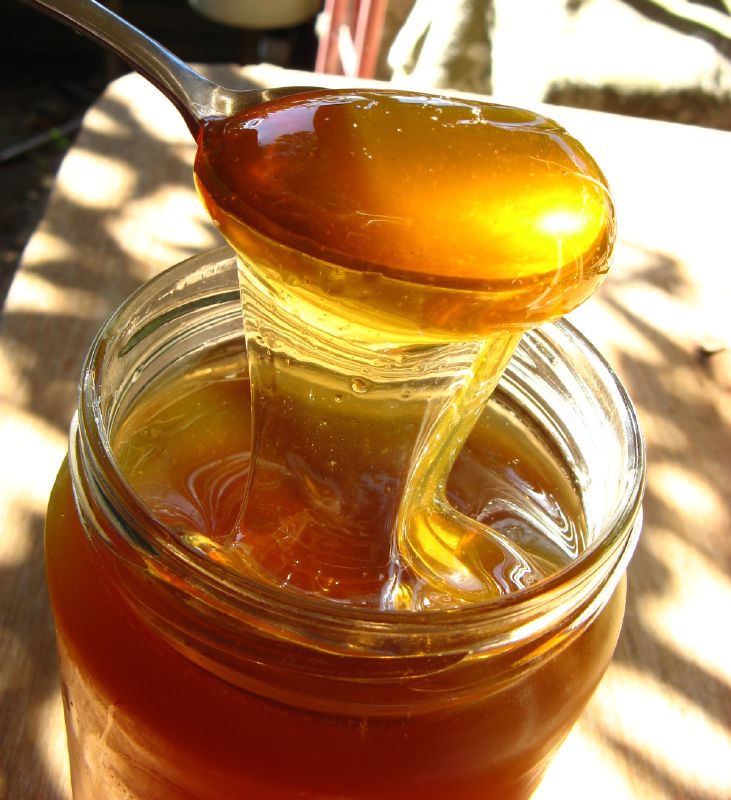
Honey production in Cyprus is declining by up to 30% due to unfavorable weather conditions and the effects of climate change. Beekeepers also face challenges from habitat loss due to urbanization and fires, as well as the irrational use of pesticides. Pressure on bee populations, which are vital for pollination and agricultural production, is a global phenomenon, with significant losses also being recorded in other countries such as Bulgaria and the United States. Despite the efforts of Cypriot beekeepers to cope with the arid and hot conditions and replenish losses, high temperatures, drought, fires and urbanization are leading to a shrinking of wild vegetation and weakening the immune system of bees, making them more vulnerable to disease and pests. The state has implemented various support measures, such as the Beekeeping Program and the Strategic Plan for biodiversity, as well as subsidies for the cost of moving hives. However, the biggest problem remains unfair competition from imported honey, which is available at much lower prices than Cypriot honey. The price difference is significant, with imported honey from China selling for around €1.39 per kilo, while Cypriot honey reaches €10 per kilo. Beekeepers have not proceeded with corresponding price increases, despite the increased production cost, which puts the sustainability of the profession at risk.
Similar Articles

Έως και 30% ανέρχεται η μείωση στην παραγωγή μελιού στην Κύπρο λόγω καιρικών συνθηκών
Jan 16
Έως και 30% η μείωση στην παραγωγή μελιού - Οι κυριότερες αιτίες
Jan 16
Έως και 30% η μείωση στην παραγωγή μελιού στην Κύπρο λόγω καιρικών συνθηκών
Jan 16
Έως και 30% η μείωση στην παραγωγή μελιού στην Κύπρο λόγω των καιρικών συνθηκών
Jan 16

Μέχρι 30% η μείωση στην παραγωγή μελιού στην Κύπρο
Jan 16
You Might Also Like

Μισθολογική ανισότητα: Οι γυναίκες στην Κύπρο είναι μορφωμένες, ικανές αλλά…
Dec 28
Λιγότερα φλαμίνγκο στους υγρότοπους της Κύπρου - Ανησυχητική πτώση μέχρι και 31% από το 2013 μέχρι σήμερα
Jan 4
Έως και 30% ανέρχεται η μείωση στην παραγωγή μελιού στην Κύπρο λόγω καιρικών συνθηκών
Jan 16
Έως και 30% η μείωση στην παραγωγή μελιού - Οι κυριότερες αιτίες
Jan 16
Έως και 30% η μείωση στην παραγωγή μελιού στην Κύπρο λόγω καιρικών συνθηκών
Jan 16