Με άλλο σημείο αναφοράς, η Κομισιόν και η ΕΚΤ, μπαίνουν ξανά στη διαδικασία να αντιμετωπίσουν άλλη μια ενεργειακή κρίση, με διαφορετικά χαρακτηριστικά από αυτή του 2022, χωρίς να έχουν στη διάθεσή τους εύκολες λύσεις, αφού οι επιλογές τους θυμίζουν την παροιμία “μπρός γκρεμός και πίσω ρέμα”.
Η ΕΚΤ, έχοντας λάβει και τα κατάλληλα μηνύματα από τους εμπειρογνώμονες της, ετοιμάζεται να προχωρήσει στην πρώτη αύξηση επιτοκίων, μετά αυτή του Ιουνίου του 2023, όταν σε μια τελευταία κίνηση έφερε τα επιτόκια του ευρώ στο 4%. Η αύξηση αυτή μπορεί να επιβραδύνει την αύξηση του πληθωρισμού, αλλά θα επιδράσει αρνητικά και στην ανάπτυξη της ΕΕ, η οποία σύμφωνα με την Κομισιόν θα έφτανε φέτος το 1,4%. Ωστόσο, το 2022 ξεκίνησε μάλλον αργά, το καλοκαίρι, την αύξηση των επιτοκίων, ενώ ο πληθωρισμός στην ΕΕ έχει ξεπεράσει ήδη το 6%.
Από την άλλη, η Κομισιόν, η οποία με αφορμή την κρίση που έφερε η πανδημία του κορονοϊού ενεργοποίησε τη γενική ρήτρα διαφυγής τον Φεβρουάριο του 2020, για να αντιμετωπιστούν οι συνέπειες της πανδημίας και τη διατήρησε για τέσσερα χρόνια, μέχρι και το τέλος του 2023. Μέχρι τότε τα χρέη και τα ελλείμματα σε πολλές χώρες είχαν φτάσει σε δυσθεώρητα ύψη. Τούτο διότι μέσω της ρήτρας, “χρηματοδοτήθηκαν” εκτός από τις απαραίτητες δαπάνες του κορονοϊού και οι δαπάνες για την αντιμετώπιση των συνεπειών της ενεργειακής κρίσης του 2022, η οποία ξέσπασε μετά την εισβολή της Ρωσίας στην Ουκρανία, μεγαλώνοντας ακόμη περισσότερο τα δημοσιονομικά προβλήματα πολλών χωρών.
Τώρα, στην αρχή μια νέας ενεργειακής κρίσης η οποία δεν μπορεί κανείς να είναι σίγουρος πότε και πώς θα τελειώσει, δεν έχει τα περιθώρια να ενεργοποιήσει και πάλι τη συνολική ρήτρα διαφυγής. Το υψηλό μέσο χρέος της ΕΕ που βρίσκεται πάνω από το 80% (οι νέοι δημοσιονομικοί κανόνες προβλέπουν ανώτατο όριο το 60% του ΑΕΠ) και τα 17 από τα 27 κράτη-μέλη της ΕΕ, τα οποία έχουν πρόβλημα ελλείμματος (σε 6 από αυτά είναι πολύ πάνω από το όριο του 3% του ΑΕΠ) είναι ένας πολύ σοβαρός λόγος η Κομισιόν να αντιστέκεται σε κάθε ιδέα δημοσιονομικής χαλάρωσης, πολύ περισσότερο επειδή ήδη έχει προσυπογράψει εθνικές ρήτρες διαφυγής για τις αμυντικές δαπάνες σε 17 από τα 27 κράτη-μέλη της ΕΕ.
Μεγάλη η πιθανότητα λάθους
Κομισιόν και ΕΚΤ έχουν κάνει τις επιλογές τους, τουλάχιστον προς το παρόν. Αν η Κεντρική Τράπεζα του ευρώ δεν αντιδράσει άμεσα, είναι πιθανό ο πληθωρισμός να ξεφύγει άλλη μια φορά και να χρειαστεί περισσότερες αυξήσεις επιτοκίων για να τον τιθασεύσει, πνίγοντας όμως και κάθε προσδοκία σύντομης ανάκαμψης της ευρωπαϊκής οικονομίας, η οποία θα έχει ήδη υποστεί τις συνέπειες του υψηλού πληθωρισμού. Ήδη, η Κομισιόν υπολογίζει ότι ακόμη και ανάλογα με τον χρόνο λήξης του πολέμου, η ανάπτυξη στην ΕΕ θα μειωθεί από 0,4% έως και 0,6% για το 2026 και ακόμη περισσότερο το 2027.
Από τη δική της μεριά, η Ευρωπαϊκή Επιτροπή με την επιλογή να περιορίσει το ύψος των μέτρων στήριξης αρνούμενη δημοσιονομική χαλάρωση, ρισκάρει κάθετη πτώση της ζήτησης και οικονομική επιβράδυνση, η οποία μπορεί να γίνει ύφεση μέχρι και το τέλος του χρόνου. Από την άλλη, η ενεργοποίηση της ρήτρας διαφυγής μπορεί να ξεκινήσει μια νέα κρίση χρέους εντός της ΕΕ, η οποία θα είναι επίσης δύσκολο να διορθωθεί.
Το χειρότερο δυνατό σενάριο είναι η κρίση να κορυφωθεί το επόμενο διάστημα. Τότε, κανένας από τους δύο θεσμούς της ΕΕ δεν θα έχει επιλογές. Η ΕΚΤ θα πρέπει να συνεχίσει -και μάλιστα με μεγαλύτερη ένταση- τις αυξήσεις των επιτοκίων και η Κομισιόν θα επιταχύνει την ύφεση που θα φέρει η αύξηση του κόστους χρήματος συγκρατώντας τις δαπάνες.
Commission and ECB Dilemmas in Addressing the Crisis
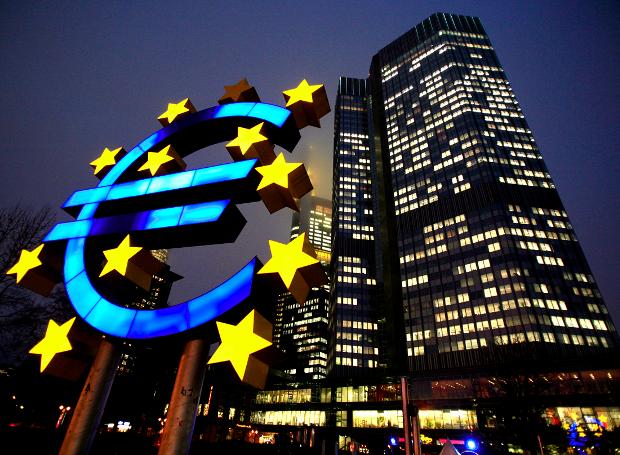
The European Union is at a critical juncture, facing a new energy crisis without easy solutions. The European Central Bank (ECB) is preparing to raise interest rates, a move that may curb inflation but will slow economic growth. The Commission, on the other hand, does not have the ability to reactivate the general escape clause due to high debt and fiscal problems faced by many member states. The activation of the escape clause in the past, during the pandemic and the energy crisis of 2022, led to an increase in fiscal problems, as not only necessary expenses were funded but also others, less urgent. The current situation is more complex, as the Commission has no room for further fiscal relaxation, given the high debt and deficits in many member states. The ECB's interest rate hike carries the risk of worsening the economic slowdown, while the Commission's limited fiscal support could lead to a fall in demand and recession. The Commission forecasts a decline in EU growth in the coming years, even if the war in Ukraine ends. Overall, the situation is uncertain and requires careful decisions from the ECB and the Commission. The choice of the ECB to raise interest rates and the Commission to limit fiscal support carries risks for the European economy, but both sides appear to have limited options.